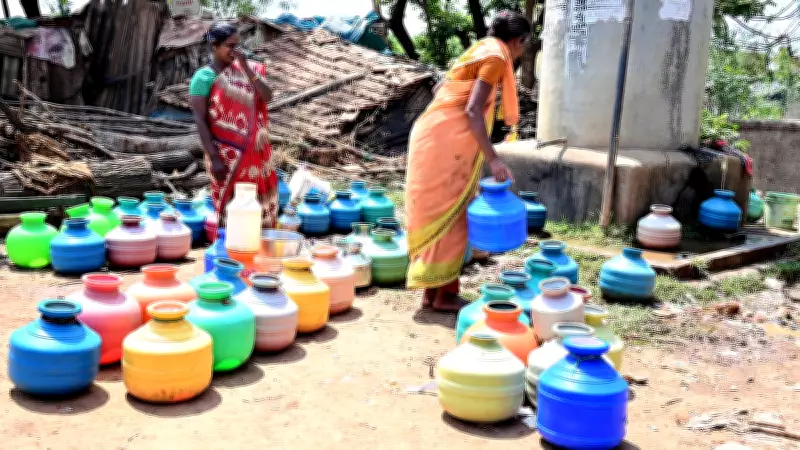
Karnataka Confronts Acute Drinking Water Shortage in 284 Villages
The state of Karnataka is currently grappling with a severe drinking water crisis, with 284 villages across the region facing acute shortages as summer intensifies. This alarming situation has prompted urgent action from state authorities to mitigate the impact on affected communities.
Government Response and Mitigation Measures
In response to the escalating crisis, the Karnataka government has swiftly mobilized resources to provide relief. Water tankers are being deployed to deliver potable water to the hardest-hit areas, ensuring that residents have access to this essential resource. Additionally, authorities are implementing conservation strategies and exploring alternative water sources to address the shortfall.
The crisis has been exacerbated by below-average rainfall in recent months, leading to depleted groundwater levels and drying up of traditional water bodies. This has left many villages, particularly in rural and semi-urban regions, struggling to meet their daily water needs.

Regional Impact and Community Challenges
The affected villages span multiple districts, with some areas reporting critical shortages that threaten both household consumption and agricultural activities. Local communities are facing significant hardships, including increased distances to fetch water and reliance on costly private tanker supplies.
Officials have emphasized that the situation is being closely monitored, with contingency plans in place to expand relief efforts if conditions worsen. The government is also urging residents to adopt water-saving practices and report any unmet needs through designated helplines.
Long-Term Solutions and Future Preparedness
Beyond immediate relief, discussions are underway about long-term infrastructure projects to enhance water security in vulnerable regions. Proposals include improving rainwater harvesting systems, rejuvenating traditional water storage structures, and investing in pipeline networks to ensure more reliable distribution.
This crisis underscores the broader challenges of water management in India, particularly in the context of climate variability and growing demand. As summer progresses, continued vigilance and coordinated action will be crucial to safeguarding water access for all Karnataka residents.