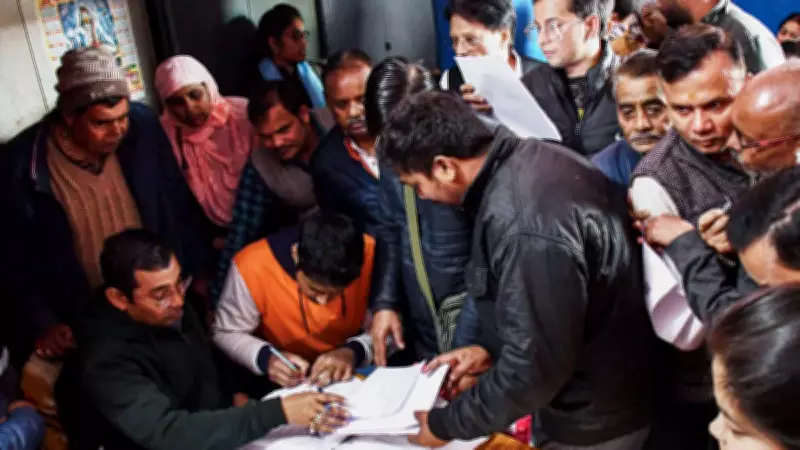
Darjeeling Constituency: A Strategic Battleground for West Bengal Assembly Election 2026
The Darjeeling constituency in West Bengal is poised to be a critical electoral battleground in the upcoming Assembly Election scheduled for 2026. This hill region, known for its picturesque landscapes and political significance, has a complex electoral history that shapes current strategies. As political parties gear up for the polls, understanding the constituency's profile, past performance, and demographic factors becomes essential for predicting outcomes and campaign focus.
Historical Overview and Past Winners
Darjeeling has witnessed a dynamic political landscape over the years, with shifts in party dominance reflecting broader regional and state-level trends. In previous elections, the constituency has seen victories from various parties, including the Bharatiya Janata Party (BJP), the Trinamool Congress (TMC), and regional outfits like the Gorkha Janmukti Morcha (GJM). For instance, in the 2021 West Bengal Assembly Election, the BJP secured the seat, capitalizing on local issues and national momentum. Earlier elections had seen the TMC making inroads, while historically, the Congress and Left Front also held sway at different times, highlighting the area's volatile voter base.
Vote Margin Analysis and Electoral Trends
The vote margins in Darjeeling have often been narrow, indicating intense competition and a closely contested electorate. In recent polls, winning margins have ranged from a few thousand to over ten thousand votes, depending on factors such as candidate popularity, alliance dynamics, and local grievances. For example, in the 2021 election, the BJP's victory came with a margin that underscored its growing influence in the region, while previous elections saw tighter races with margins as low as 2-3%. This volatility suggests that small shifts in voter sentiment or turnout could dramatically alter results in 2026, making grassroots mobilization and issue-based campaigning crucial for all parties.

Party-Wise Candidates and Strategic Outlook for 2026
As the 2026 election approaches, major parties are expected to field strong candidates in Darjeeling, with the BJP likely to defend its seat, the TMC aiming to reclaim ground, and regional parties seeking to leverage local autonomy demands. Potential candidates might include incumbent MLAs, new faces with community appeal, or leaders with a track record in addressing hill region issues like development, identity, and governance. The BJP may focus on its national agenda and infrastructure promises, while the TMC could emphasize state welfare schemes and regional stability. Regional parties might highlight Gorkhaland statehood or other autonomy issues to resonate with voters.
Key Factors Influencing the 2026 Election
Several factors will shape the Darjeeling constituency's outcome in 2026. Demographic shifts, including youth voter registration and migration patterns, could impact turnout and preferences. Local issues such as tourism development, employment opportunities, and environmental concerns are likely to dominate campaigns. Additionally, alliance politics at the state and national levels may influence candidate selection and voter alignment. The role of social media and digital outreach is also expected to grow, given the region's increasing connectivity and political awareness among residents.
In summary, the Darjeeling constituency presents a multifaceted electoral scenario for the West Bengal Assembly Election 2026. With its history of close contests and evolving party dynamics, stakeholders must navigate local aspirations and broader political currents to secure victory. As campaigns unfold, monitoring these elements will be key to understanding the final verdict in this strategically important hill seat.