Haryana's VIJ Video Faces Online Backlash and Political Scrutiny
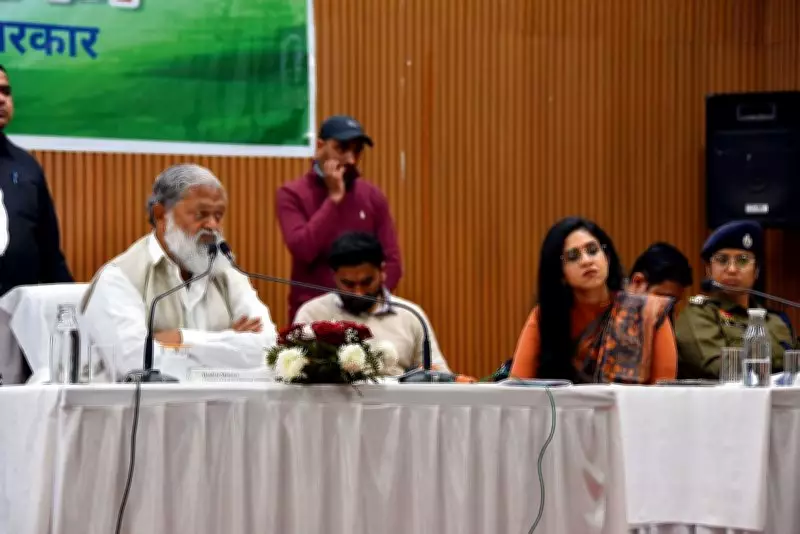
A video released as part of Haryana's VIJ (Vidhayak Janata Interaction) initiative has become the subject of widespread online mockery, with netizens taking potshots at its content and presentation. The video, intended to showcase government-citizen engagement, has instead sparked a flurry of criticism and memes across social media platforms.
Viral Video Draws Ridicule from Netizens
The VIJ video, which features interactions between local representatives and residents, quickly went viral after its release. Netizens were quick to point out perceived flaws in its production quality, scripting, and overall execution. Many users on platforms like Twitter and Facebook shared the video with sarcastic captions, comparing it to amateurish content and questioning its effectiveness as a communication tool.
Social media users highlighted several aspects they found laughable, including awkward pauses, repetitive dialogue, and what they described as a lack of authenticity in the interactions depicted. Memes and edited versions of the video began circulating, amplifying the criticism and turning it into a trending topic online.

Political Opponents Seize Opportunity for Criticism
The online mockery has provided ammunition for political opponents, who have used the video to criticize the Haryana government's outreach efforts. Opposition leaders and parties have questioned the allocation of resources for such initiatives, arguing that the funds could be better spent on substantive development projects rather than what they term as "publicity stunts."
This incident has reignited debates about the efficacy of government communication strategies in the digital age. Critics argue that while engaging with citizens through video content is a positive step, poor execution can backfire and damage public perception.
Context of the VIJ Initiative
The VIJ initiative was launched by the Haryana government to facilitate direct interaction between legislators and the public, aiming to address grievances and improve governance transparency. It involves regular video conferences and recorded sessions where citizens can voice their concerns directly to their elected representatives.
However, this particular video has overshadowed the program's intended purpose, drawing attention away from its goals and toward its perceived shortcomings. Supporters of the initiative have defended it, stating that the focus should remain on the substantive issues discussed rather than the production quality.
Broader Implications for Digital Governance
This episode highlights the challenges governments face in adapting to digital media. In an era where content can go viral instantly, even well-intentioned efforts can be subject to intense scrutiny and ridicule if not executed carefully.
- Public expectations for professional content have risen with the proliferation of high-quality media.
- Social media amplifies both praise and criticism, making it a double-edged sword for official communications.
- Political adversaries are quick to capitalize on any perceived missteps, turning them into broader critiques of governance.
The Haryana government has yet to issue an official response to the online mockery, but the incident serves as a cautionary tale for other administrations looking to leverage digital platforms for public engagement.