

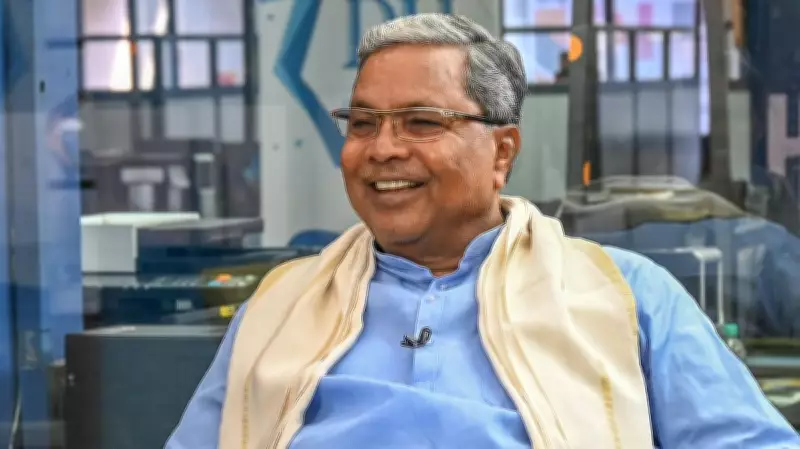
Karnataka Chief Minister Calls for Prime Minister's Resignation Over Alleged Sovereignty Breach
In a bold political move, Karnataka Chief Minister Siddaramaiah has demanded the resignation of Prime Minister Narendra Modi, accusing him of harming India's sovereignty through a trade agreement with the United States. The statement has ignited a fierce debate in national politics, highlighting tensions between the state and central governments.
Allegations of Compromising National Interests
Siddaramaiah, a senior leader of the Congress party, asserted that the trade deal negotiated by the Modi administration undermines India's economic independence and strategic autonomy. He emphasized that such agreements should prioritize domestic interests and protect the country's sovereign rights, which he claims have been neglected in this instance.
The Chief Minister argued that the Prime Minister's actions have set a dangerous precedent, potentially allowing foreign powers to exert undue influence over India's policies. This criticism comes amid ongoing discussions about trade imbalances and the impact of international agreements on local industries.

Political Repercussions and National Discourse
The demand for Modi's resignation is expected to escalate political confrontations, particularly in Karnataka, where state and central leadership are often at odds. Siddaramaiah's remarks reflect broader concerns within opposition parties about the direction of India's foreign trade policies under the current government.
Analysts suggest that this controversy could influence upcoming electoral strategies and public perception of governance issues. The Chief Minister's stance is likely to rally support from those skeptical of globalization's effects on national sovereignty.
Context of US-India Trade Relations
India and the United States have been negotiating trade deals to enhance bilateral economic ties, addressing issues such as tariffs, intellectual property, and market access. While proponents argue these agreements boost growth and innovation, critics like Siddaramaiah warn of hidden costs to sovereignty.
- The trade deal in question involves concessions that may affect Indian farmers and small businesses.
- Opposition leaders claim it favors American corporate interests over Indian welfare.
- This incident underscores the delicate balance between international cooperation and national autonomy.
As the debate intensifies, Siddaramaiah's call for accountability places renewed focus on how trade policies are formulated and their implications for India's future. The outcome of this political standoff could shape policy discussions for years to come.






