Post Ajit Pawar's Death: Who Will Steer NCP Faction Merger Decisions?
The sudden demise of senior Nationalist Congress Party (NCP) leader Ajit Pawar has created a significant void in Maharashtra's political landscape, raising critical questions about the future of the party's factions. As speculation mounts over a possible merger between different NCP groups, attention turns to key individuals who could play decisive roles in shaping these developments.
Sharad Pawar: The Patriarch's Unmatched Influence
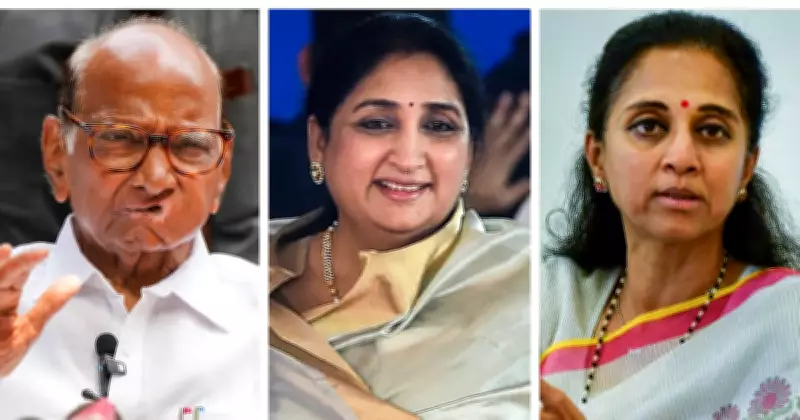
Sharad Pawar, the veteran politician and patriarch of the Pawar family, is expected to wield the most substantial influence in any discussions regarding faction unification. With decades of political experience and deep-rooted connections across party lines, his strategic vision and authority remain unparalleled. As the founder of NCP, his stance on merger possibilities will likely determine the direction of negotiations and the ultimate outcome of any consolidation efforts.
Emerging Leaders Within the Pawar Family
The Pawar family's next generation is poised to take on more prominent roles in this transitional phase. Parth Pawar, who has been active in political circles, represents the younger leadership that could bridge traditional and contemporary party dynamics. Similarly, Jay Pawar has been vocal on various platforms, potentially positioning himself as a key voice in faction discussions. Their involvement could bring fresh perspectives to merger talks while maintaining the family's political legacy.

Senior NCP Figures with Substantial Clout
Beyond the Pawar family, several senior NCP leaders possess the experience and influence to impact merger decisions. Praful Patel, a seasoned politician with extensive administrative and organizational experience, could play a crucial mediating role between factions. Sunil Tatkare, known for his grassroots connect and strategic acumen, might contribute to building consensus among different party segments. Additionally, Chhagan Bhujbal, with his strong regional base and political savvy, could be instrumental in navigating the complexities of factional integration.
The Road Ahead for Maharashtra Politics
The potential merger of NCP factions represents more than just internal party restructuring; it could significantly alter Maharashtra's political equations. As these key figures engage in deliberations, factors such as ideological alignment, power-sharing arrangements, and electoral strategies will come into play. The outcome of these discussions may not only determine NCP's future cohesion but also influence broader coalition dynamics in the state, potentially reshaping alliances and opposition frameworks in the coming political cycle.
The evolving situation underscores the delicate balance between maintaining party unity and addressing diverse factional interests in the aftermath of a prominent leader's passing.