

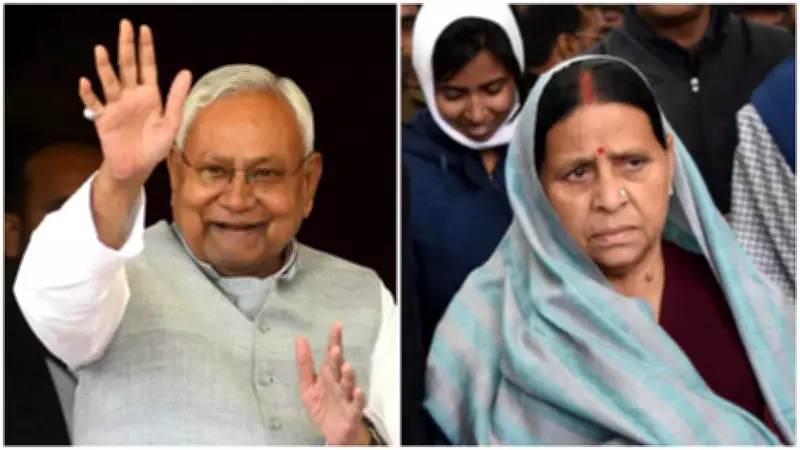
Nitish Kumar's 'E-Jo Ladki Hai' Remark for Rabri Devi Ignites Political Firestorm in Bihar
Bihar Chief Minister Nitish Kumar has found himself at the center of a major political controversy after making a contentious remark about former Chief Minister Rabri Devi in the state legislative assembly. The incident, which occurred during a heated session, has sparked widespread outrage and drawn sharp criticism from opposition parties, particularly the Rashtriya Janata Dal (RJD).
The Controversial Statement in the Assembly
During a discussion in the Bihar assembly, Nitish Kumar referred to Rabri Devi, who served as the Chief Minister of Bihar from 1997 to 2005, using the phrase "e-jo ladki hai". This remark, which loosely translates to "that girl," was made in a context that many have interpreted as dismissive or disrespectful. The comment quickly went viral on social media and became a focal point for political debate across the state.
Rabri Devi, a senior RJD leader and the wife of former Chief Minister Lalu Prasad Yadav, is a prominent figure in Bihar politics. Her tenure as chief minister was notable, and she remains an influential voice in the opposition. The use of such language by the current chief minister has been condemned as undermining her political stature and contributions.

Immediate Backlash from Opposition Parties
The RJD and other opposition groups have launched a fierce attack on Nitish Kumar, accusing him of sexism and disrespect toward a senior female politician. RJD leaders have demanded an immediate apology from the chief minister, arguing that his words reflect a patriarchal mindset that has no place in modern politics.
In response, RJD spokesperson Manoj Jha stated, "This is not just about one remark; it is about the consistent disrespect shown toward women in politics by certain leaders. Rabri Devi has served this state with dignity, and such comments are unacceptable." The party has also raised the issue in the assembly, calling for a discussion on gender sensitivity in political discourse.
Nitish Kumar's Defense and Political Implications
Sources close to Nitish Kumar have defended the remark, suggesting it was taken out of context and was not intended to be derogatory. They claim that the chief minister was merely referring to Rabri Devi in a colloquial manner and that the opposition is blowing the issue out of proportion for political gain.
However, political analysts note that this controversy comes at a sensitive time for Bihar politics, with alliances shifting and elections on the horizon. The incident could strain relations between Nitish Kumar's Janata Dal (United) and other parties, potentially impacting future coalition dynamics. It also raises questions about the tone of political debates in India, where personal remarks often overshadow policy discussions.
Broader Context of Gender and Politics in India
This episode highlights ongoing challenges related to gender representation and respect in Indian politics. Despite increasing numbers of women in leadership roles, instances of sexist language and behavior persist. Experts argue that such remarks can discourage women from participating in politics and undermine efforts toward gender equality.
Key points from the debate include:
- The need for stricter codes of conduct in legislative assemblies to prevent disrespectful language.
- The role of media and social media in amplifying political controversies.
- The impact of such incidents on public perception of political leaders and institutions.
As the row continues to unfold, all eyes are on Nitish Kumar's next move. Will he issue an apology, or will he stand by his words? The outcome could have significant repercussions for Bihar's political landscape and set a precedent for how similar issues are handled in the future.






