Sunetra Pawar's Meteoric Rise to Maharashtra Deputy Chief Minister
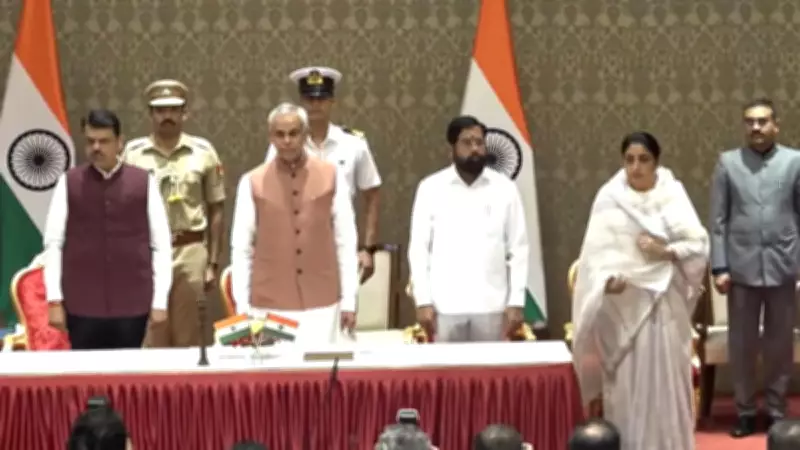
The political landscape of Maharashtra witnessed a significant development as Sunetra Pawar was swiftly appointed as the Deputy Chief Minister of the state. This move has generated considerable discussion and analysis within political circles, highlighting the evolving dynamics within the Nationalist Congress Party (NCP) and the broader coalition government.
Rapid Political Ascension and Key Factors
Sunetra Pawar's elevation to the position of Deputy Chief Minister marks a notable shift in Maharashtra's political hierarchy. Her quick rise is attributed to several factors, including her growing influence within the party and her ability to navigate complex political scenarios. Analysts point to her strategic positioning and alignment with key stakeholders as crucial elements in this rapid promotion.
Internal Party Dynamics and Leadership Considerations

The appointment has brought attention to the internal workings of the NCP, particularly regarding decision-making processes. Reports indicate that Sharad Pawar, the veteran leader and founder of the NCP, was not consulted prior to this significant appointment. This omission has sparked debates about power distribution and consultation mechanisms within the party structure.
Implications for Maharashtra's Political Future
This development carries substantial implications for Maharashtra's governance and political stability. Sunetra Pawar's new role is expected to influence policy directions and coalition management. The lack of consultation with Sharad Pawar raises questions about future coordination and potential shifts in party strategy.
Analysts emphasize that this move could signal a reconfiguration of leadership roles within the NCP, potentially affecting its alliances and electoral prospects. The swift nature of the appointment underscores the dynamic and sometimes unpredictable character of Maharashtra politics.
Key aspects of this political maneuver include:
- The strategic timing of the appointment within the current political climate
- Potential impacts on coalition partnerships and government functioning
- Broader implications for women's representation in senior political positions
- Future interactions between Sunetra Pawar and other senior party leaders
Broader Context and Observational Insights
Political observers note that such rapid elevations are not uncommon in Indian politics, but the specific circumstances surrounding this case warrant close examination. The relationship between Sunetra Pawar and Sharad Pawar, given their familial and political connections, adds a layer of complexity to this development.
This appointment may also reflect changing patterns in political succession and leadership transitions within regional parties. As Maharashtra continues to be a crucial political battleground, moves like these are closely watched for their potential to reshape the state's political landscape.
The coming months will likely reveal more about the long-term consequences of this decision, including its effects on party unity, governance efficiency, and electoral strategies. For now, Sunetra Pawar's rise stands as a testament to the fluid and ever-evolving nature of political power in India's second-most populous state.