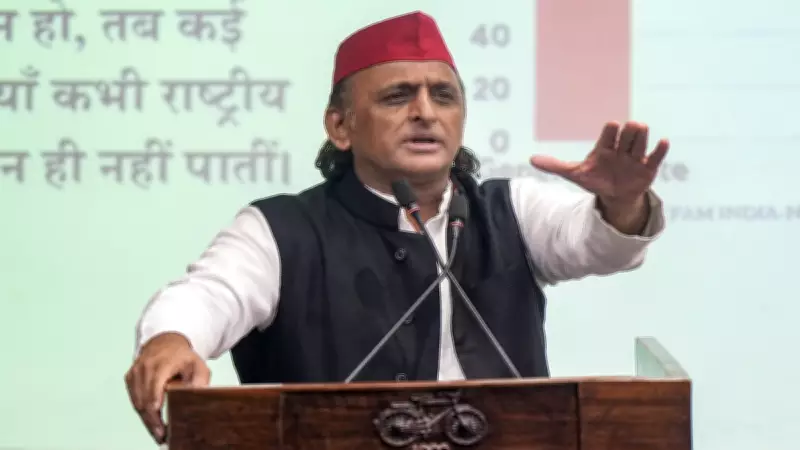
The Samajwadi Party (SP) under Akhilesh Yadav has remained remarkably united compared to other regional parties like Mamata Banerjee's Trinamool Congress (TMC) and Uddhav Thackeray's Shiv Sena, which have witnessed significant splits in recent years. Political analysts attribute this stability to several factors unique to the SP.
Family Loyalty and Centralized Leadership
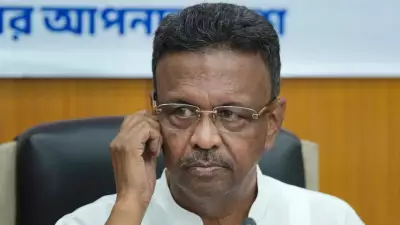
The SP is deeply rooted in the Yadav family, with Akhilesh Yadav as the undisputed leader after his father Mulayam Singh Yadav's passing. Unlike the TMC, which saw a rebellion by Mukul Roy, or the Shiv Sena, where Eknath Shinde led a revolt against Uddhav Thackeray, the SP lacks a strong second-rung leader with enough clout to challenge Akhilesh. The party's organizational structure is tightly controlled by the family, minimizing internal factions.
Lack of Ideological Rifts
While the Shiv Sena split over ideological differences—Uddhav's alliance with Congress versus Shinde's partnership with BJP—the SP has maintained a consistent secular and socialist ideology. There is no major policy divergence within the party that could trigger a schism. Similarly, the TMC faced defections due to corruption allegations and personal ambitions, but the SP has managed to keep its flock together through patronage and caste-based loyalty.

Electoral Performance and Opposition Unity
The SP's strong performance in the 2024 Lok Sabha elections, winning 37 seats, has boosted Akhilesh's stature. In contrast, the TMC's split occurred after a poor showing in 2019, and the Shiv Sena's rebellion happened after a humiliating defeat in the 2024 Maharashtra polls. The SP's alliance with the Congress in Uttar Pradesh has also provided a stable platform, reducing the temptation for leaders to switch sides.
Absence of a Strong Alternative
In Uttar Pradesh, no single leader within the SP has the personal following or resources to mount a credible challenge to Akhilesh. The party's core voter base—the Yadavs and Muslims—remains loyal to the family. Moreover, the BJP's dominance in the state makes it risky for dissidents to leave the SP, as they might lose their political relevance. In contrast, Mamata's TMC faced a split partly because rebels like Mukul Roy saw opportunities in the BJP.
Conclusion
The Samajwadi Party's unity stems from a combination of family-centric leadership, ideological cohesion, electoral success, and the absence of a viable alternative. While no party is immune to splits, the SP appears better positioned than its counterparts to withstand internal challenges in the near future.