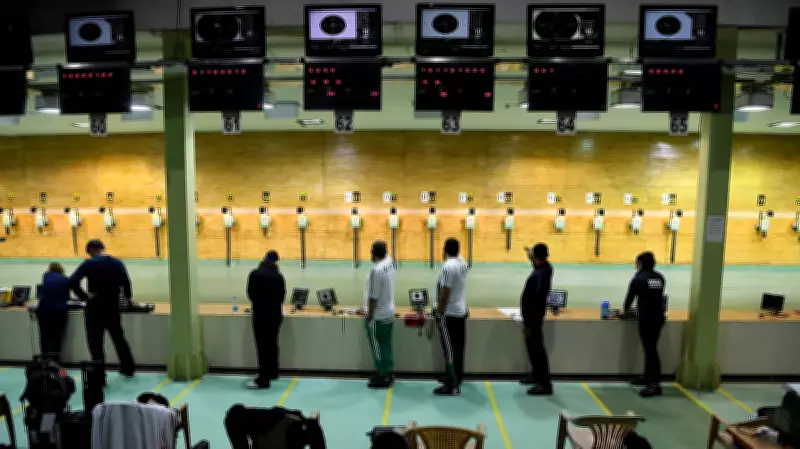
KSRA Secretary Announces Resignation After Members Reject Contentious Amendments
The Karnataka State Rifle Association (KSRA) is facing a significant leadership upheaval as its secretary has declared an intention to resign. This decision comes in the wake of members overwhelmingly rejecting a series of contentious amendments proposed by the association's leadership. The unfolding events have plunged the sports body into a period of internal discord and raised serious questions about its governance and future direction.
Members' Firm Stand Against Proposed Changes
During a recent general body meeting, KSRA members delivered a clear and decisive verdict by voting down the controversial amendments. These proposed changes, which had been a subject of intense debate within the association, were perceived by many members as potentially altering the fundamental structure and operational dynamics of the organization. The rejection highlights a growing rift between the leadership and the broader membership base, underscoring dissatisfaction with the current administrative approach.
The secretary's impending resignation is directly linked to this outcome, signaling a profound disagreement over the association's strategic path. Sources within the KSRA indicate that the proposed amendments were aimed at streamlining certain administrative processes, but critics argued they could centralize power and undermine democratic principles within the sports body.

Implications for Sports Governance in Karnataka
This development at the KSRA is not merely an internal matter but has broader implications for sports governance in Karnataka. The association plays a crucial role in promoting and regulating rifle sports across the state, and leadership instability could impact upcoming events, athlete training programs, and overall morale. The resignation of a key office-bearer, especially under such contentious circumstances, may lead to operational delays and a potential vacuum in administrative functions.
Observers note that this situation reflects a larger trend in sports associations where conflicts between elected officials and members are becoming more frequent. It underscores the need for transparent governance and inclusive decision-making processes to maintain harmony and effectiveness in sports administration.
Next Steps and Future Prospects
With the secretary set to step down, the KSRA must now navigate the process of appointing an interim or permanent replacement, which could involve further discussions and votes among members. The association's ability to manage this transition smoothly will be critical in ensuring continuity in its activities and restoring confidence among stakeholders.
Key points to watch in the coming days include:
- The formal submission of the resignation and its acceptance by the KSRA governing body.
- Potential calls for broader reforms or reviews of the association's constitution and bylaws.
- The impact on upcoming competitions and training schedules for rifle sport enthusiasts in Karnataka.
This episode serves as a reminder of the challenges faced by sports bodies in balancing leadership initiatives with member consensus, and it may prompt similar associations to reevaluate their governance frameworks to prevent such conflicts in the future.