People have tried some wild methods to shed pounds, from cabbage soup and weird diets to vibration belts and sour green smoothies. When all else failed, shapewear was everyone’s fallback: squeeze in the stomach and hope nobody notices. Now, scientists have found a fresh twist: wearing ice vests.
According to a joint study conducted by researchers at Leiden University Medical Centre and the University of Nottingham, as reported by The Guardian, scientists observed a more rapid drop in weight among 47 people with obesity after wearing an ice vest. Here is how the study unfolds and what it reveals.
What does the study say?
A new study presented at the 2026 European Congress on Obesity claims that regular cold exposure using these vests can activate the body’s calorie-burning system. The cold kick-starts something called brown fat, a rare type of fat that actually burns calories instead of storing them. Unlike regular white fat, which most people wish they had less of, brown fat acts like a little furnace trying to keep you warm.

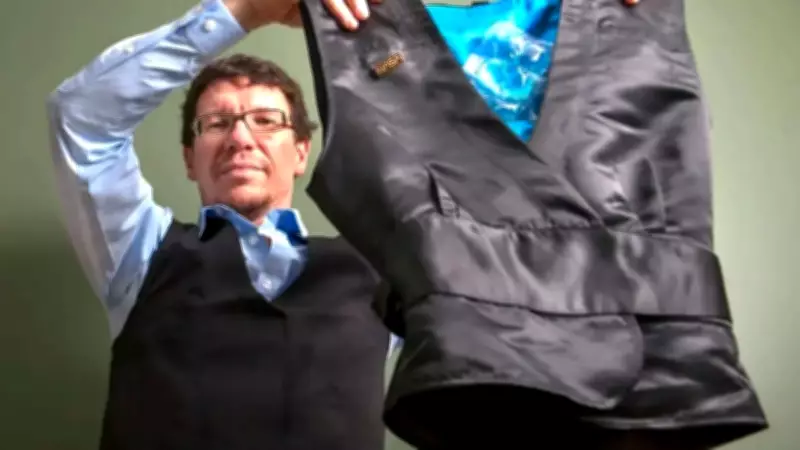
In the study, participants wearing cooling vests lost body fat over six weeks without extreme workouts or crash diets. They simply wore a chilled vest for two hours every morning while going about their day, answering emails. The research, led by teams from Leiden University Medical Center in the Netherlands and the University of Nottingham, studied 47 adults living with overweight or obesity. Half wore ice vests and wraps cooled to about 15°C for two hours daily.
After six weeks, the vest-wearing group lost an average of 0.9 kilograms (nearly two pounds), mostly from body fat. Meanwhile, the control group actually gained weight. While no one walked out looking like a superhero, the fact that people lost fat without changing their routines impressed scientists.
The role of brown fat
The secret lies in brown adipose tissue, known as brown fat. Unlike typical fat that simply stores energy, brown fat burns calories for heat through a process called thermogenesis. When you get cold, your nervous system switches on brown fat to keep your internal temperature stable, effectively turning your body into its own little radiator. This type of fat burns glucose and fatty acids, which can help with metabolism, insulin sensitivity, inflammation, and even heart health. Thus, the implications go beyond just fitting into skinny jeans.
Important considerations
Despite the promising results, experts warn against sleeping in freezers. The weight lost in the study was modest, and ice vests are not a substitute for exercise, good nutrition, sleep, or other healthy habits. Think of them as a quirky sidekick for metabolism, not a miracle fix.
“These are some of the first results on prolonged cold exposure in people with obesity,” said Dr. Mariëtte Boon, the study’s lead author. The vests themselves are surprisingly simple: gel-filled packs kept cold overnight in a freezer, worn over thin clothes. They are similar to gear used by workers or bikers in hot climates, and scientists wondered if the same trick could help burn energy in colder settings.
Now, researchers are looking at cold showers. A study in the Netherlands involving 34 women is testing whether a daily icy blast for 90 seconds yields similar results. Cold exposure, whether through showers, swimming, baths, or vests, appears to trigger thermogenesis and increase calorie-burning, at least to some extent.
However, scientists are not overselling the findings. Multiple studies have confirmed that cold activates brown fat and non-shivering thermogenesis, but it remains unknown whether these effects can make a real difference in long-term weight loss in the real world. Human metabolism involves age, genes, hormones, climate, body fat, and daily habits, all of which factor into how much brown fat gets activated. Some people naturally have more than others. There is also caution: sudden heavy cold exposure can be dangerous for individuals with heart, blood pressure, or lung issues. Experts caution against extreme ice-bath trends seen online.
In short, sitting shirtless in a freezer while eating celery is not real medical advice.