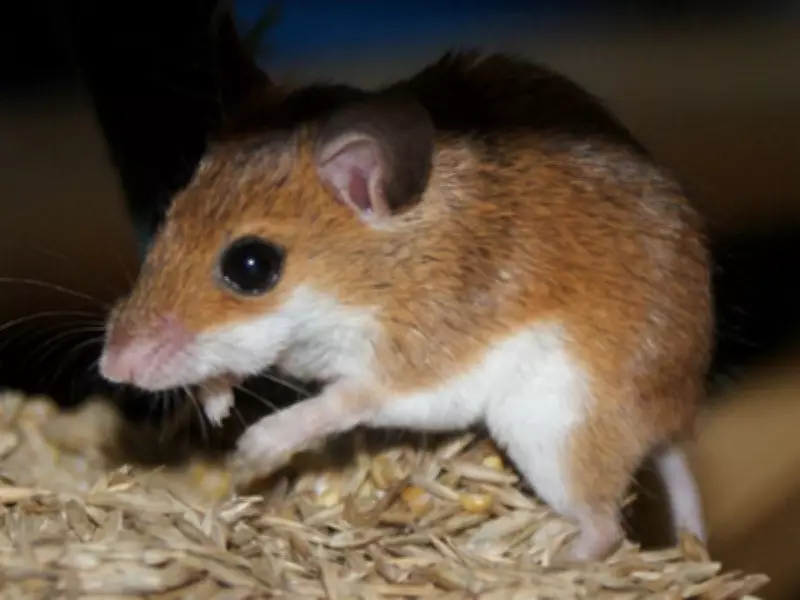
When Americans think of farm disasters, most think of droughts or hurricanes. However, in rural Australia, the real nightmare has whiskers and breeds every three weeks.
In 2021, heavy rain after years of drought in New South Wales (NSW) triggered a mouse plague. According to a study published in PLOS One by researchers from Australia's national science agency, CSIRO, the total direct cost of the plague reached AU$100.62 million among the surveyed households, farms and businesses. It is a story about swarming rodents, but beneath it lies a real lesson about how scientists put a dollar figure on disaster.
Why mice take over every few years
According to the study, house mouse plagues happen about every five to 10 years in Australia's southeastern grain belt. The 2021 outbreak followed a familiar pattern: drought followed by sudden heavy rain, creating ideal breeding conditions just as crops were maturing. A related study, ‘The New South Wales Mouse Plague 2020-2021: A One Health description,' found the 2020-2021 plague moved through an area of about 180,000 square kilometers in eastern Australia. And the tail of the outbreak coincided with the arrival of the COVID-19 delta strain into rural NSW, adding pressure on communities already under stress.

Where the money actually went
The study, published in PLOS One, surveyed 1,691 residents across the affected areas and tracked costs at the household, farm, and business levels.
Crop farmers were worst hit of all. Losses in crop yield alone were AU$39.56 million, or an average AU$267,286 per crop farmer, with average yield losses of 21.82 percent as mice dug up freshly planted seed and fed on developing grain. The damage was estimated at AU$1,440 per hectare of crop lost and the total cost to crop farmers, including expenses, damages and losses, was AU$283,941 per farmer on average. NSW grain regions face a mouse plague roughly every five to ten years.
Livestock farmers had a different issue. Mice destroyed an estimated AU$6.28 million worth of hay and fodder, much of which was used as nesting material, forcing livestock farmers to spend a further AU$5.6 million replacing it. Livestock farmers also reported reduced productivity, with total production losses estimated at AU$4.54 million, according to the study.
The plague also affected farms and households in different ways. The survey found that 98.6 percent of households were affected, with excessive cleaning the most common complaint, cited by 84.44 percent of respondents. Researchers estimated the cost of unpaid labor by households cleaning up after mice at AU$16.65 million, more than half of total household costs.
Businesses were not immune either. The study found 183 businesses and facilities were affected, with accommodation services hardest hit, followed by cafes and rural agricultural suppliers. The study also found that total business losses were AU$3.91 million, or just over AU$21,000 per business or facility on average.
The hardest-hit areas were concentrated in the central west and north-west regions of NSW, with the towns of Mudgee, Tamworth and Walgett among the most affected local government areas.
What actually worked to fight back
Farmers primarily used two chemical methods for control: fast-acting zinc phosphide in fields and pastures, and slower-acting anticoagulants near farm buildings. The study's efficiency analysis showed that crop farmers using both chemicals together were more efficient at reducing avoidable crop yield losses than either method alone, while anticoagulants alone were the least efficient of the three options.
NSW government’s AU$150 million bait rebate scheme allowed farmers to claim up to AU$1,000 each. Regression analysis in the study found that farmers who reported greater crop yield losses and higher bait spending were less likely to claim the rebate, whereas those who incurred greater damage to hay or fodder were more likely to claim it. This means that livestock farmers used the rebate program more than crop farmers did.

Why it matters beyond Australia
There has been no previous peer-reviewed research into the economic impact of a mouse plague in NSW, leaving Australian policymakers to rely largely on cost estimates from the 1993 outbreak. The average cost per crop farmer in 2021 was nearly three times higher than in 1993, even after inflation is factored into the earlier estimate, a difference the authors say may be due to increasing crop values and more intensive farming practices over the past three decades.
The larger issue here is not really about mice. It is designing a repeatable method to quantify what an actual pest outbreak costs a community in dollars, labor, and mental strain, so the next disaster, whatever form it takes, does not leave policymakers without a playbook.