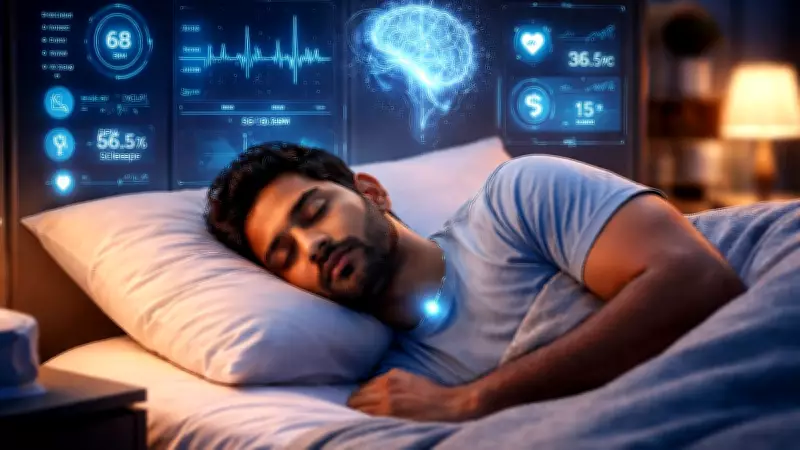
NIT Rourkela Develops AI-Powered Sleep Posture Tracking System
In a significant advancement for healthcare technology, the National Institute of Technology (NIT) Rourkela has successfully engineered a sophisticated multi-sensor artificial intelligence system designed to monitor sleep posture automatically. This innovative development represents a major step forward in patient care, particularly for individuals requiring constant observation during rest.
How the Automated System Functions
The core of this technology lies in its use of multiple sensors that work in tandem with advanced AI algorithms. Unlike traditional monitoring methods, this system does not rely on cameras or visual imaging, which has been a common privacy concern in healthcare settings. Instead, it utilizes a combination of non-visual sensors to detect and analyze body positioning, movement patterns, and posture changes throughout the sleep cycle.
The AI component processes this sensor data in real-time, identifying specific sleep postures and tracking transitions between them. This continuous monitoring capability allows for a comprehensive understanding of an individual's sleep habits without any manual intervention required from medical staff or caregivers.

Benefits for Caregivers and Patients
One of the primary advantages of this system is the substantial reduction in workload for healthcare providers and caregivers. By automating the sleep monitoring process, medical professionals can focus their attention on other critical aspects of patient care while still maintaining oversight of sleep patterns through the system's automated alerts and reports.
Equally important is the privacy protection aspect. Since the technology completely avoids visual recording, patients can rest assured that their personal privacy remains intact during monitoring. This addresses a significant ethical concern in healthcare technology while still providing valuable medical data.
Potential Applications and Future Implications
The applications for this technology extend across multiple healthcare scenarios:
- Elderly care facilities where continuous monitoring is essential but privacy concerns are paramount
- Rehabilitation centers where sleep posture tracking can inform treatment plans
- Home healthcare settings where remote monitoring can provide peace of mind for families
- Sleep disorder clinics where detailed posture data can enhance diagnosis and treatment
Researchers at NIT Rourkela have indicated that this development could pave the way for more advanced healthcare monitoring systems that balance effective data collection with ethical considerations. The technology demonstrates how artificial intelligence can be applied to solve practical healthcare challenges while respecting patient dignity and privacy.
As healthcare continues to evolve with technological integration, innovations like NIT Rourkela's sleep posture tracking system represent the thoughtful application of AI to improve patient outcomes while addressing the complex ethical dimensions of medical monitoring.