Elderly Sikh Man's Coconut Leaf Batman Suit Ignites Viral AI Debate
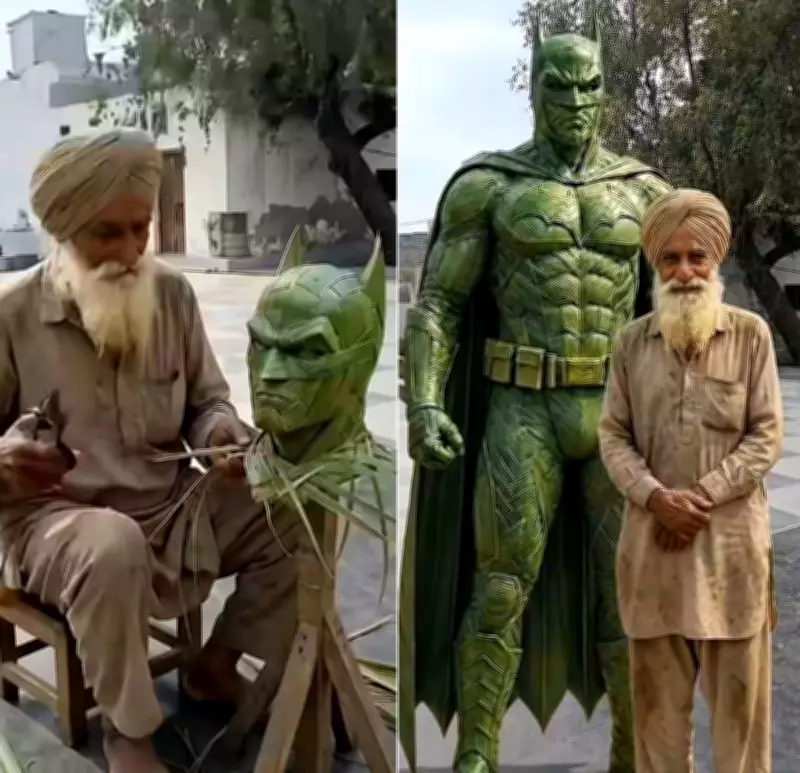
In a remarkable display of traditional craftsmanship, an elderly Sikh man from Punjab has captured global attention by creating a detailed Batman suit entirely from coconut leaves. The intricate artwork, which features the iconic superhero's costume with meticulous detailing, has gone viral on social media platforms, sparking a heated debate over whether it is a product of artificial intelligence or genuine human skill.
The Artwork That Divided the Internet
The creation showcases the Batman suit in full regalia, complete with the emblematic bat symbol, cape, and mask, all woven from dried coconut leaves. Shared widely online, the images prompted immediate skepticism from some users who questioned its authenticity, suggesting it might be AI-generated due to its precise and complex design. However, local sources and eyewitness accounts confirm the elderly artisan, known for his expertise in leaf weaving, spent weeks crafting the piece using traditional techniques passed down through generations.
This debate highlights the growing tension between technological advancements and human artistry in the digital age. As AI tools become more sophisticated, distinguishing between machine-generated and handmade creations has become increasingly challenging, leading to widespread discussions about the value and recognition of traditional crafts.

Cultural Significance and Craftsmanship
The use of coconut leaves, a common material in rural Indian crafts, adds a layer of cultural significance to the artwork. In many parts of India, including Punjab, artisans have long utilized natural materials like leaves, straw, and bamboo to create decorative items, often for festivals or religious ceremonies. This Batman suit represents a fusion of pop culture with indigenous art forms, demonstrating how traditional skills can adapt to contemporary themes.
The elderly man's work has not only gone viral but also drawn praise from art enthusiasts and cultural commentators. They emphasize the importance of preserving such handicrafts, which are at risk of being overshadowed by digital creations. Supporters argue that the suit's imperfections and organic texture are clear indicators of human touch, contrasting with the often flawless outputs of AI algorithms.
Impact on the Art Community and Public Perception
The viral nature of this incident has broader implications for the art world and public discourse:
- Increased Scrutiny: Artists and crafters now face heightened skepticism online, with their work often subjected to accusations of being AI-generated, which can undermine their credibility and effort.
- Promotion of Traditional Arts: The debate has inadvertently shone a spotlight on lesser-known crafts, encouraging discussions about cultural heritage and the need for its preservation in modern times.
- Educational Opportunities: This event serves as a case study for understanding the intersection of technology and tradition, prompting educational initiatives to teach digital literacy alongside appreciation for handmade arts.
As the story continues to circulate, it underscores a critical question in today's society: In an era dominated by AI, how do we value and authenticate human creativity? The elderly Sikh man's Batman suit stands as a testament to the enduring power of manual skill, even as it challenges viewers to rethink their assumptions about art in the digital world.