

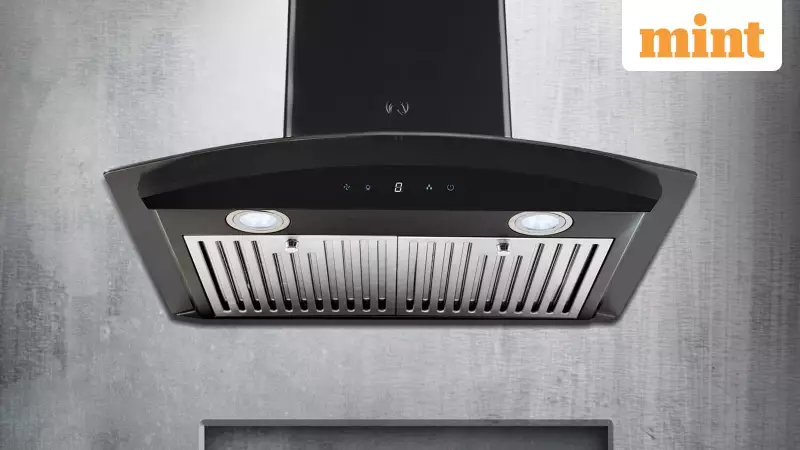
In modern Indian kitchens, the chimney has transformed from a luxury item to an absolute necessity. As our rich, oil-based culinary traditions—from hearty curries to flavorful tadkas—create significant smoke and grease, managing the kitchen air has become a daily challenge. Enter auto-clean technology, a feature now heavily marketed with promises of hands-free maintenance and peak performance. However, there's widespread confusion about what 'auto-clean' actually entails, leading to mismatched expectations and buyer's remorse.
Decoding Auto-Clean: The Real Mechanism
Contrary to popular belief, an auto-clean chimney is not a self-cleaning robot for your kitchen. The technology has a specific, functional purpose: managing internal grease buildup. When you cook, microscopic oil particles escape through the filters and solidify on the chimney's inner walls and motor. Over weeks and months, this accumulation severely restricts airflow, causing a noticeable drop in suction power.
The auto-clean function tackles this core issue. When activated, usually via a button, a heating element inside the chimney warms up. This heat liquefies the congealed grease and oil deposits. Once melted, the grease flows down into a dedicated, detachable oil collector tray. The homeowner must manually empty and clean this tray at regular intervals. This process is designed to maintain the chimney's internal airflow and reduce the frequency of deep, invasive cleaning where the entire unit needs dismantling.

The Fine Print: What Auto-Clean Does NOT Do
Understanding the limitations of this technology is crucial to setting realistic expectations. First and foremost, auto-clean does not mean zero manual maintenance. The external surfaces of the chimney, including the glass canopy and control panels, will still gather a film of oil, dust, and fingerprints, requiring regular wiping.
Secondly, the filters themselves are not magically cleaned. While the auto-clean function helps prevent grease from clogging the area behind the filters, the filters (baffle or mesh) will still trap a significant amount of oil and require periodic washing. Mesh filters, in particular, may need more frequent attention. Furthermore, auto-clean cannot compensate for an undersized chimney or poor installation. If the appliance's suction capacity (measured in m³/hr) is too low for your kitchen size or cooking frequency, performance issues will persist.
Other key limitations include odor control, which depends more on airflow design and ducting than the cleaning cycle, and the need for user discipline—most models require you to remember to run the auto-clean cycle manually after intensive cooking sessions.
Is the Auto-Clean Feature Worth Your Money?
The value of this feature directly correlates with your household's cooking habits. For families that cook daily, using generous amounts of oil, ghee, and spices, the auto-clean function is a worthwhile investment. It helps maintain consistent suction over years of use and significantly reduces the hassle of internal deep-cleaning, preserving the chimney's efficiency and longevity.
However, for smaller households, couples, or those who cook only occasionally or with minimal oil, the benefits may not justify the extra cost. A well-made standard chimney with good quality baffle filters, cleaned manually every few months, might suffice. The decision should also factor in long-term warranties on the motor and product, as seen in models from brands like Elica, Faber, and Hindware, which offer coverage from 5 to 15 years.
In conclusion, auto-clean is a helpful maintenance aid for grease management, not a substitute for all cleaning. By demystifying its function, Indian consumers can make an informed choice, aligning their purchase with their actual cooking patterns and ensuring their kitchen remains a fresh and pleasant space.






