India's Passport Ranking Improves, But How Strong Is It Really?
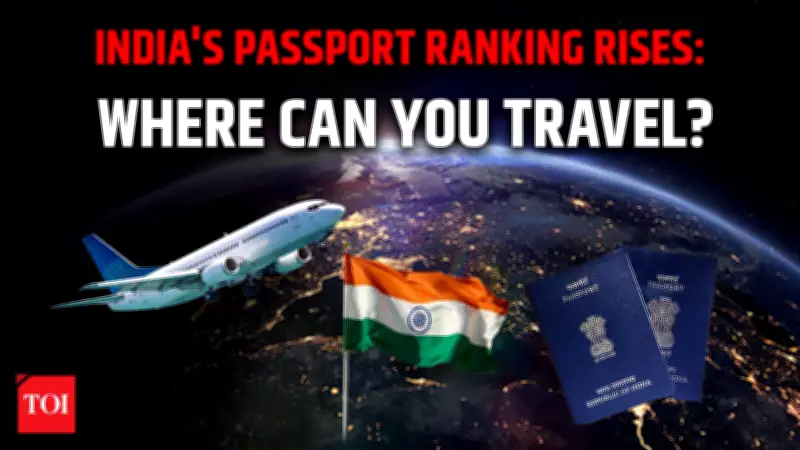
India has climbed to the 80th position in the Henley Passport Index 2026, an improvement from the 85th spot last year. But what does this ranking actually mean for travelers? This article breaks down how passport rankings are calculated, where Indians can travel visa-free, visa-on-arrival, or with an e-visa, and why India still trails the world's most powerful passports despite recent gains.
Understanding the Henley Passport Index
The Henley Passport Index ranks passports based on the number of destinations their holders can access without a prior visa. It uses data from the International Air Transport Association (IATA) and is updated quarterly. The index includes visa-free access, visa-on-arrival, and e-visa facilities.
India's Current Position
India's rise to 80th place reflects a gradual improvement in diplomatic relations and bilateral agreements. However, compared to top-ranked passports like Japan, Singapore, and Germany, India still has limited access. Japanese passport holders can visit 193 destinations without a visa, while Indian passport holders have access to around 60 destinations visa-free or with simplified procedures.

Visa-Free and E-Visa Destinations for Indians
Indians can travel visa-free to countries such as Nepal, Bhutan, Mauritius, and Sri Lanka. E-visa facilities are available for popular destinations like Turkey, Kenya, and Cambodia. Visa-on-arrival options include Indonesia, Maldives, and Thailand. However, major travel hubs like the United States, United Kingdom, and Schengen Area still require prior visas.
Why India Lags Behind
Several factors contribute to India's lower ranking, including security concerns, economic stability, and bilateral tensions. Passport strength is also linked to a country's global reputation and the reciprocity of visa policies. While India's ranking has improved, it still faces challenges in negotiating visa-waiver agreements with many developed nations.
Recent Gains and Future Outlook
The improvement from 85th to 80th is a positive sign, driven by new agreements with countries like Qatar and Malaysia. Continued diplomatic efforts and economic growth may further enhance India's passport power. However, reaching the top tier will require sustained engagement and trust-building with other nations.
In conclusion, while India's passport ranking has improved, it remains relatively weak compared to global leaders. Understanding the ranking methodology and available travel options helps Indian travelers plan better and highlights areas for future growth.