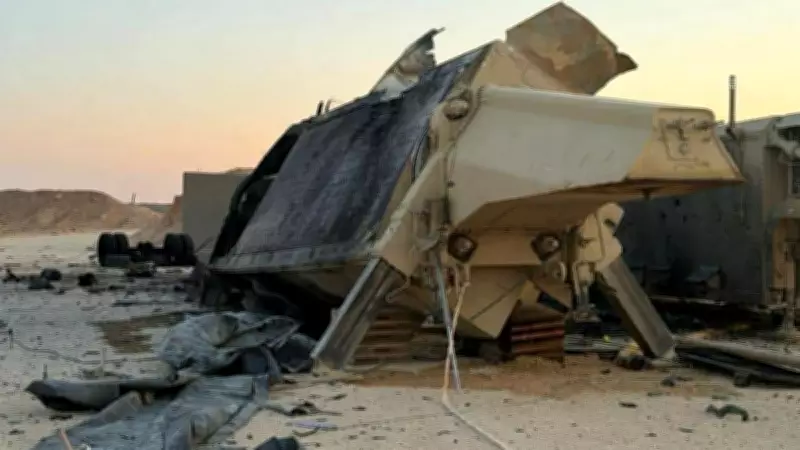
Iran Claims Destruction of US THAAD Radar System, US Denies Attack
In a bold assertion that has escalated regional tensions, Iran has claimed responsibility for destroying a US Terminal High Altitude Area Defense (THAAD) radar system, valued at approximately $300 million. This alleged attack, reported on March 7, 2026, has sparked a flurry of international concern, with the US military swiftly denying any such incident occurred, labeling the claim as baseless propaganda.
Details of the Alleged Attack
According to Iranian state media, the attack targeted a THAAD radar installation located in a strategic area, purportedly as a retaliatory measure against perceived US aggression in the Middle East. The THAAD system, known for its advanced missile defense capabilities, is a critical component of US military infrastructure in the region, designed to intercept short, medium, and intermediate-range ballistic missiles.
Iranian officials stated that the operation was carried out using precision-guided munitions, resulting in the complete destruction of the radar unit. They emphasized that this action was a direct response to ongoing US sanctions and military presence, which they argue threaten Iran's sovereignty and regional stability.

US Military's Response and Denial
In stark contrast, the US Department of Defense has categorically denied the Iranian claims. A spokesperson for the Pentagon confirmed that all THAAD systems in the region are fully operational and that no attacks have been reported. The US military has dismissed Iran's assertions as a deliberate attempt to sow discord and project strength amid ongoing diplomatic tensions.
Experts suggest that such claims could be part of a broader psychological warfare strategy by Iran, aimed at undermining US credibility and rallying domestic support. The denial from US authorities has been backed by satellite imagery and on-ground assessments, which show no evidence of damage to any THAAD installations.
Background and Regional Implications
The THAAD system has been a point of contention in US-Iran relations for years, with Iran viewing its deployment as a provocative move that escalates military tensions. This latest incident, whether factual or fabricated, highlights the fragile state of affairs in the Middle East, where proxy conflicts and saber-rattling are common.
Key points to consider include:
- THAAD's Role: The system is designed to protect allied forces and assets from missile threats, making it a high-value target in any conflict scenario.
- Iran's Motivations: Iran may be using this claim to assert its military capabilities and deter further US actions, especially amid stalled nuclear negotiations.
- International Reactions: Allies in the region, such as Israel and Saudi Arabia, are closely monitoring the situation, as any escalation could have broader security implications.
Analysis and Future Outlook
While the veracity of Iran's claim remains unverified, the incident underscores the ongoing volatility in US-Iran relations. Analysts warn that such rhetoric could lead to miscalculations or accidental clashes, particularly in crowded maritime zones or near military installations.
The US has reiterated its commitment to defending its assets and allies, while calling for diplomatic resolutions to reduce tensions. Meanwhile, Iran continues to leverage such claims as part of its asymmetric warfare tactics, aiming to challenge US dominance without direct confrontation.
As the situation develops, stakeholders are urged to exercise caution and seek verified information from reliable sources, rather than relying on unconfirmed reports that could inflame hostilities further.