

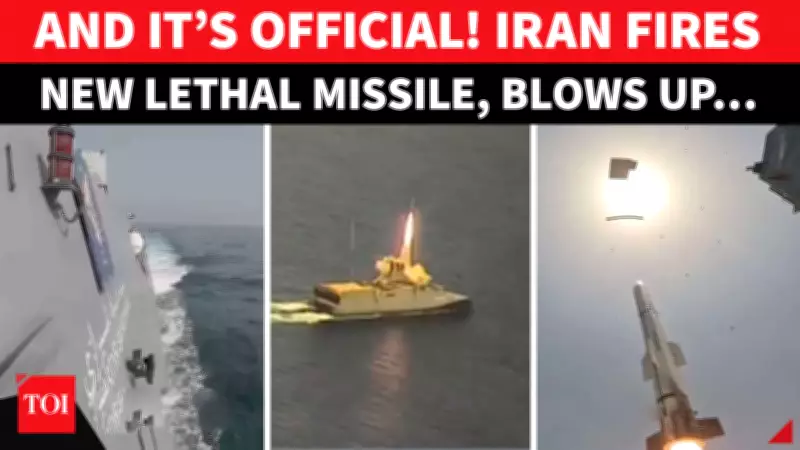
Iran Deploys Advanced Sayyad 3-G Missile System in Strategic Strait of Hormuz Naval Exercise
In a significant military development, Iran has officially unveiled its new naval Sayyad 3-G air defence missile system during Islamic Revolutionary Guard Corps (IRGC) drills conducted in the vital Strait of Hormuz. This strategic waterway serves as a crucial global energy corridor, through which approximately one-fifth of the world's oil shipments pass daily.
Advanced Capabilities of the Sayyad 3-G System
The sophisticated missile system was launched from the Shahid Sayyad Shirazi, a modern Shahid Soleimani-class warship that represents Iran's growing naval capabilities. According to Iranian military officials, the Sayyad 3-G offers an impressive interception range of 150 kilometres, enabling it to effectively target multiple aerial threats including:
- Combat jets and fighter aircraft
- Unmanned aerial vehicles (drones)
- Patrol and reconnaissance aircraft
- Certain types of cruise missiles
The system features advanced vertical launch silos that provide comprehensive 360-degree coverage, allowing for rapid firing sequences without requiring the warship to reposition. This technological advancement represents a substantial improvement in Iran's maritime defence capabilities.

Strategic Implications and Operational Flexibility
Iranian defence authorities have emphasized that the Sayyad 3-G can operate in two distinct modes: as a standalone defence system or as an integrated component within broader radar and surveillance networks. This operational flexibility enhances Iran's ability to coordinate air defence across multiple naval assets and coastal installations.
The timing of this unveiling during military exercises in the Strait of Hormuz carries significant geopolitical weight. The deployment signals Tehran's clear intent to strengthen its maritime air defence posture as regional tensions continue to simmer, particularly in relation to ongoing diplomatic and military pressures from the United States and its allies.
Broader Context of Naval Modernization
This development represents another step in Iran's ongoing naval modernization program, which has gained momentum in recent years despite international sanctions and economic challenges. The Strait of Hormuz has long been a focal point of geopolitical tension, with Iran previously threatening to close the waterway in response to perceived threats to its national security.
The Sayyad 3-G system's deployment comes amid a complex regional security environment where naval capabilities have become increasingly important for power projection and defensive operations. Military analysts suggest that such advancements could potentially alter the balance of naval power in the Persian Gulf region, though the full operational capabilities of the system remain to be independently verified.
As Iran continues to develop and showcase its military technologies, the international community will be closely monitoring how these capabilities might influence regional security dynamics and diplomatic negotiations in the coming months.






