Exiled Iranian Crown Prince Reza Pahlavi Unveils Strategic Plan for Potential Return
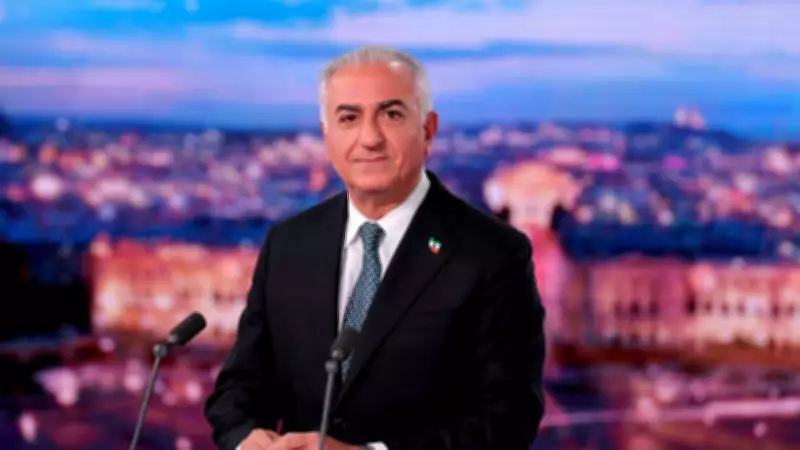
In a significant development, exiled Iranian Crown Prince Reza Pahlavi has publicly outlined a detailed plan of action for his potential return to Iran, amidst escalating political turmoil in the country. The announcement comes as Iran faces internal unrest and international scrutiny, with Pahlavi positioning himself as a figure advocating for democratic change.
Background of the Exiled Crown Prince
Reza Pahlavi, the son of the last Shah of Iran, Mohammad Reza Pahlavi, has lived in exile since the 1979 Iranian Revolution, which overthrew the monarchy and established the Islamic Republic. Over the decades, he has been a vocal critic of the current regime, calling for reforms and greater freedoms for the Iranian people. His latest move signals a more proactive approach to influencing Iran's political future.
Key Elements of the Plan
The plan, as revealed by Pahlavi, includes several strategic components aimed at facilitating his return and promoting democratic governance. Key points include:

- International Diplomacy: Engaging with global powers to garner support for democratic initiatives in Iran.
- Domestic Mobilization: Encouraging grassroots movements within Iran to advocate for political change.
- Economic Reforms: Proposing policies to address Iran's economic challenges, including inflation and unemployment.
- Human Rights Advocacy: Emphasizing the protection of civil liberties and the rule of law.
Pahlavi stressed that his plan is not about restoring the monarchy but about fostering a democratic system that respects the will of the Iranian people.
Current Political Context in Iran
Iran has been experiencing widespread protests and political instability in recent years, driven by economic hardships, social restrictions, and dissatisfaction with the government. The regime has faced criticism from both domestic and international quarters for its handling of dissent and human rights issues. Pahlavi's announcement is seen as an attempt to capitalize on this unrest and offer an alternative vision for the country's future.
Reactions and Implications
The plan has elicited mixed reactions. Supporters view Pahlavi as a unifying figure who could lead Iran toward democracy, while critics argue that his ties to the former monarchy make him a controversial choice. The Iranian government has not officially commented on the announcement, but it is likely to dismiss it as irrelevant or destabilizing.
Analysts suggest that Pahlavi's push could influence international discourse on Iran, potentially leading to increased pressure on the regime for reforms. However, the success of his plan depends heavily on internal support within Iran and the broader geopolitical landscape.
Looking Ahead
As Reza Pahlavi moves forward with his plan, the focus will be on how it resonates with Iranians both inside and outside the country. His ability to mobilize support and navigate complex political dynamics will be crucial in determining whether this initiative gains traction. For now, his announcement adds a new dimension to the ongoing debate about Iran's political future, highlighting the persistent calls for change in a nation grappling with deep-seated challenges.