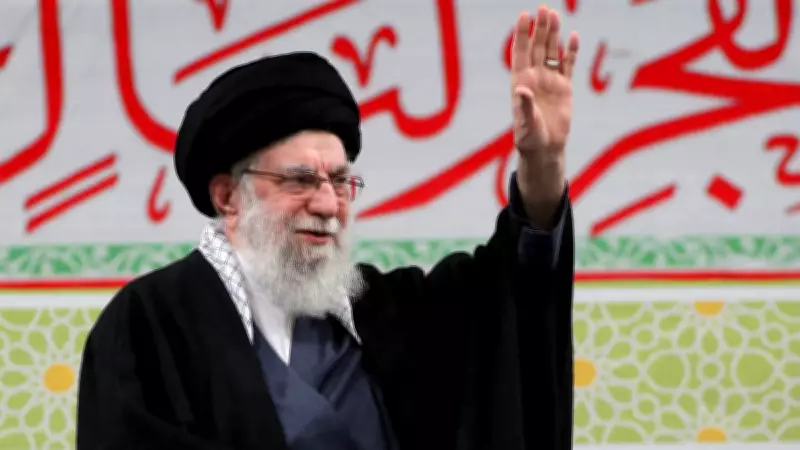
Iran's Supreme Leader Issues Dire Warning to United States Over Potential Military Strike
In a stark and unequivocal message directed at Washington, Iran's Supreme Leader Ayatollah Ali Khamenei has declared that any military action by the United States against the Islamic Republic would not remain a limited conflict. Instead, he asserted, such an attack would inevitably escalate into a devastating regional war, drawing in multiple nations and causing widespread instability across the Middle East.
Escalating Tensions Amid Trump's Contemplation of Military Options
The warning comes at a time of heightened geopolitical friction, as former US President Donald Trump is reportedly considering or has recently mulled over the possibility of authorizing a military strike on Iranian targets. This deliberation follows a series of longstanding disputes between the two nations, including issues related to Iran's nuclear program, its support for proxy groups in the region, and broader strategic rivalries.
Khamenei's statement, delivered through official channels, underscores Iran's firm stance and readiness to respond aggressively to any perceived aggression. The Supreme Leader emphasized that Iran possesses significant defensive capabilities and regional alliances, which would be mobilized to counter an American offensive, thereby transforming a bilateral confrontation into a multilateral crisis.

Analysis of the Regional Implications and Historical Context
Experts on Middle Eastern affairs have noted that Khamenei's warning is not merely rhetorical but reflects the complex web of alliances and conflicts in the region. Iran maintains close ties with various militant groups and state actors, such as Hezbollah in Lebanon, Houthi rebels in Yemen, and the Syrian government. A US strike could potentially trigger retaliatory actions from these proxies, leading to a cascade of violence that might involve countries like Israel, Saudi Arabia, and others.
Historically, tensions between the US and Iran have fluctuated, with periods of intense hostility interspersed with diplomatic engagements. The current situation appears to be reverting to a more confrontational phase, reminiscent of earlier crises. This development raises concerns about the stability of global oil markets and international security, given the strategic importance of the Persian Gulf region.
Potential Consequences and Global Reactions
If the US were to proceed with military action, the consequences could be far-reaching:
- Humanitarian Crisis: A regional war would likely result in significant civilian casualties and displacement, exacerbating existing refugee situations.
- Economic Disruption: Conflict in the Middle East could disrupt oil supplies, leading to volatility in global energy prices and impacting economies worldwide.
- Diplomatic Fallout: Such an escalation might strain US relations with European allies and other nations advocating for diplomatic solutions to the Iran nuclear issue.
- Security Threats: Increased militant activity and terrorism could emerge as byproducts of the conflict, posing threats beyond the region.
International observers are closely monitoring the situation, urging restraint and dialogue to prevent a catastrophic escalation. The warning from Khamenei serves as a grim reminder of the high stakes involved in US-Iran relations and the delicate balance of power in one of the world's most volatile regions.