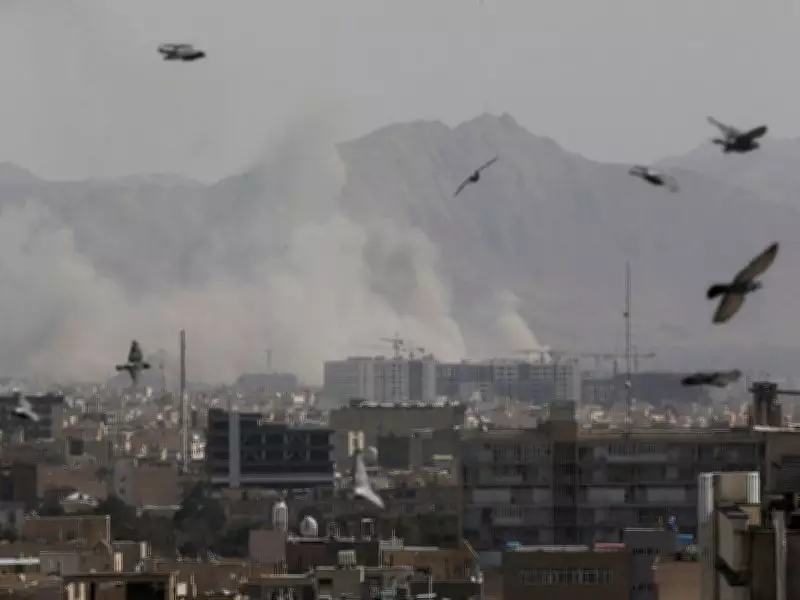
Israeli Military Conducts Strikes on Iranian Defense Infrastructure
In a significant escalation of regional hostilities, Israeli forces have reportedly launched targeted strikes against key military installations in Iran. According to recent reports, the operation focused on aerial defense systems and military command centers, aiming to impair Iran's defensive and strategic capabilities.
Targets of the Israeli Operation
The strikes specifically aimed at two critical components of Iran's military apparatus:
- Aerial Defense Systems: These systems are designed to protect Iranian airspace from potential threats, including aircraft and missiles. By targeting them, Israel seeks to reduce Iran's ability to detect and intercept incoming attacks, potentially opening avenues for future operations.
- Military Command Centers: These centers serve as hubs for coordinating Iran's military activities, including troop movements, intelligence operations, and strategic planning. Disrupting these facilities could hinder Iran's command and control capabilities, affecting its overall military readiness.
Context and Regional Implications
This development occurs against a backdrop of longstanding tensions between Israel and Iran, which have intensified in recent years due to geopolitical rivalries and proxy conflicts across the Middle East. Israel has frequently expressed concerns over Iran's military buildup and its support for militant groups in the region.

The strikes represent a direct military action by Israel within Iranian territory, marking a potential shift from covert operations to more overt confrontations. Such moves could provoke retaliatory measures from Iran, further destabilizing an already volatile region and impacting global security dynamics.
Potential Consequences and International Response
The targeting of aerial defense systems and command centers may have several implications:
- Degradation of Iranian Defenses: If successful, the strikes could temporarily or permanently weaken Iran's air defense network, making it more vulnerable to future attacks.
- Escalation Risks: Iran might respond with counter-strikes or increased support for proxy forces, potentially leading to a broader conflict involving other regional actors.
- International Reactions: Global powers are likely to monitor the situation closely, with calls for de-escalation and diplomatic solutions to prevent further violence.
As tensions rise, the international community faces challenges in mediating between the two nations and preventing a full-scale war. The strikes underscore the fragile state of Middle Eastern security and the ongoing struggle for influence in the region.