Israeli Settlers Torch Tents and Vehicles in West Bank Village
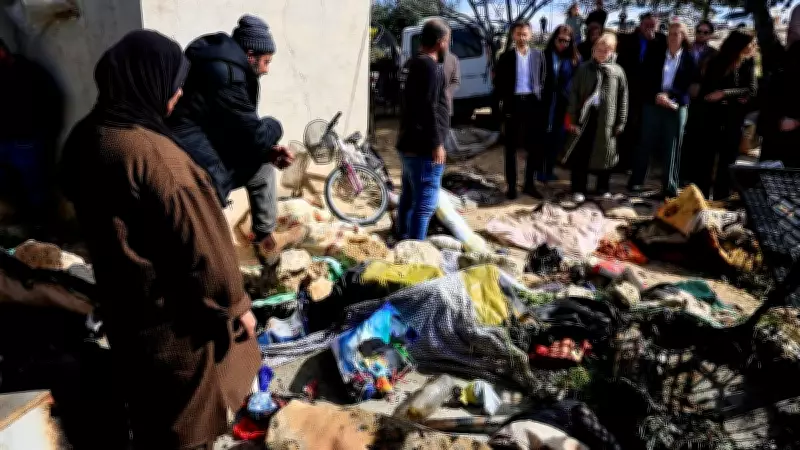
In a disturbing incident in the West Bank, Israeli settlers have been reported to have set fire to tents and vehicles in a Palestinian village. This act of violence has drawn significant attention amid ongoing tensions in the region.
Organized Plans to Seize Palestinian Land
An Israeli official previously attributed such settler violence to what they described as a "fringe minority." However, Reuters reporting has uncovered evidence suggesting that these actions are part of well-organized plans to take over Palestinian land. These plans are reportedly being coordinated through public settler social media channels, indicating a more systematic effort than previously acknowledged.
The use of social media platforms to organize and promote these activities highlights a modern dimension to the long-standing conflict over land in the West Bank. This revelation raises concerns about the scale and coordination of settler actions, which could have broader implications for peace and stability in the area.

Context and Implications
The West Bank has been a focal point of Israeli-Palestinian disputes for decades, with settlements being a major point of contention. Incidents like this recent burning of tents and vehicles exacerbate tensions and hinder efforts towards a peaceful resolution. The involvement of social media in planning such violence adds a new layer of complexity to the situation, as it allows for rapid mobilization and dissemination of information among settlers.
International observers and human rights groups have often criticized settler violence as a barrier to peace, calling for greater accountability and protection for Palestinian communities. This latest event underscores the urgent need for effective measures to address such acts and prevent further escalation.
As of the report dated 25 February 2026, 17:21 IST, the situation remains volatile, with ongoing investigations into the incident. The broader conflict continues to pose challenges for diplomacy and regional security, making incidents like this critical to monitor and address promptly.