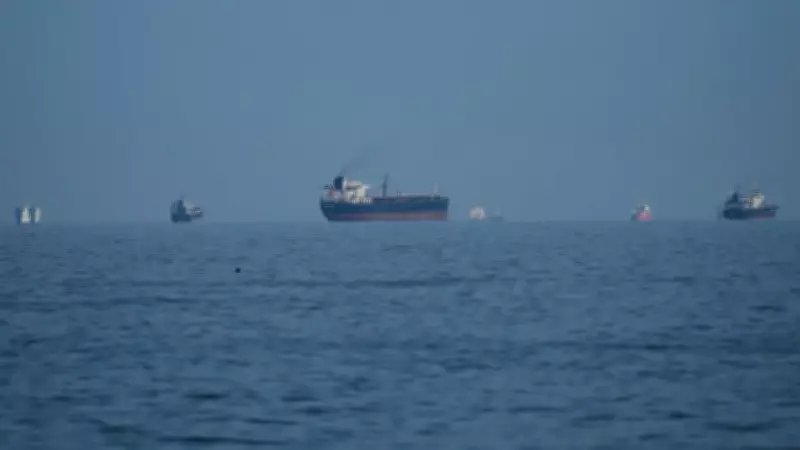
In a significant development for global maritime trade, stranded ships have begun transiting through the Strait of Hormuz, according to a maritime data company. The strait, a critical chokepoint for oil and gas shipments, had seen a temporary halt in traffic due to unspecified disruptions.
Resumption of Traffic
The maritime data firm confirmed that vessels queued up at the entrance of the strait have started moving again. This resumption is expected to alleviate concerns over potential supply chain bottlenecks and oil price volatility. The Strait of Hormuz handles about 20% of the world's oil consumption, making its smooth operation vital for global energy markets.
Background of the Disruption
Earlier reports indicated that shipping traffic had stalled, leading to a buildup of tankers and cargo ships. The cause of the initial stoppage remains unclear, but analysts speculate it could be related to regional geopolitical tensions or technical issues. The swift resolution suggests coordination among maritime authorities and naval forces in the region.

Industry experts have welcomed the news, noting that prolonged disruption could have triggered a spike in oil prices and insurance costs for shipping. The Strait of Hormuz is also a key route for liquefied natural gas (LNG) from Qatar, the world's largest exporter.
Impact on Global Trade
The smooth transit of ships through the strait is crucial for maintaining stable energy supplies. Any significant delay can ripple through global markets, affecting everything from fuel prices to manufacturing costs. The maritime data company's update provides reassurance that normal operations are resuming.
Shipping companies have been advised to stay informed about the situation, as further checks may be implemented to ensure safety and security. The International Maritime Organization (IMO) has not issued any specific warnings, but regional naval forces remain on alert.
As the first vessels pass through, monitoring systems show a gradual return to normal traffic patterns. This development is a positive sign for the global economy, which has been grappling with inflationary pressures and supply chain challenges.