

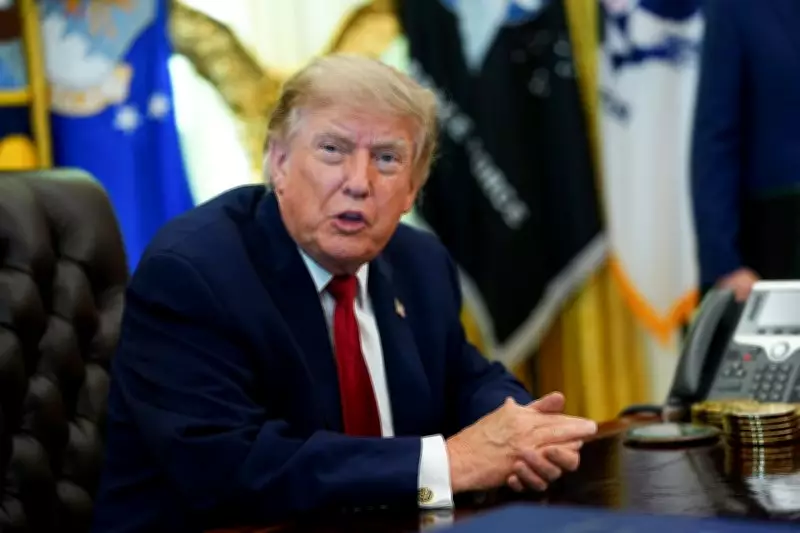
A divided US Supreme Court on Tuesday upheld a broad conception of birthright citizenship, rejecting President Donald Trump's executive order that would have denied citizenship to children born to people in the country illegally or temporarily. The 6-3 ruling relied on the 14th Amendment and long-settled precedent, marking a major setback for the Trump administration's immigration agenda.
Court Cites 14th Amendment and Precedent
Chief Justice John Roberts, writing for the majority, emphasized the historical intent of the 14th Amendment, adopted after the Civil War to secure citizenship for freed slaves. "Citizenship, then and now, was the right to have rights—to freely participate in our political community. The Framers of the Fourteenth Amendment extended that promise to every free-born person in this land," Roberts wrote, citing congressional debate. "We keep that promise today." The court ruled that anyone born in the US, with very limited exceptions (children of foreign diplomats or foreign occupying forces), is a citizen.
The decision upheld lower-court rulings from New Hampshire and elsewhere that had blocked Trump's order, which was signed on the first day of his second term. The order had not taken effect anywhere in the US due to legal challenges.

Dissenting Justices Argue Overreach
Three conservative justices dissented. Justice Clarence Thomas wrote a 91-page dissent—more than three times the length of Roberts' opinion—arguing that the court overstepped. "The Court today takes the extraordinary step of holding facially unconstitutional the President's Order excluding from citizenship the children of foreign temporary visitors and illegal aliens," Thomas wrote. He added that the 14th Amendment has been "repurposed for political projects that the Reconstruction Congress did not support."
During oral arguments in April, both conservative and liberal justices had questioned the order's legality. Trump's unprecedented attendance in the courtroom underscored the case's significance, which tested the limits of executive power before a conservative-leaning court that has largely ruled in his favor.
Impact on Immigration and Citizenship
More than 250,000 babies born in the US each year would have been affected by the executive order, according to research by the Migration Policy Institute and Pennsylvania State University's Population Research Institute. The restrictions applied not only to children of undocumented immigrants but also to those born to people legally in the US, such as students and green card applicants.
The Trump administration argued that children of noncitizens are not "subject to the jurisdiction" of the United States under the 14th Amendment, a view rejected by the court. The majority invoked the 1898 ruling in Wong Kim Ark, which held that a US-born child of Chinese nationals was a citizen.
Trump's Reaction and Broader Context
Trump reacted furiously to the decision, using his Truth Social platform to criticize "dumb judges and justices" and wealthy pregnant women from China and elsewhere who come to the US to give birth. He had previously attacked the court over a February ruling that struck down global tariffs imposed under emergency powers, calling those justices "unpatriotic."
The birthright citizenship case was the first Trump immigration-related policy to reach the Supreme Court for a final ruling, part of his administration's broad crackdown on immigration. The decision reinforces the 14th Amendment's guarantee that "all persons born or naturalized in the United States, and subject to the jurisdiction thereof, are citizens."






