

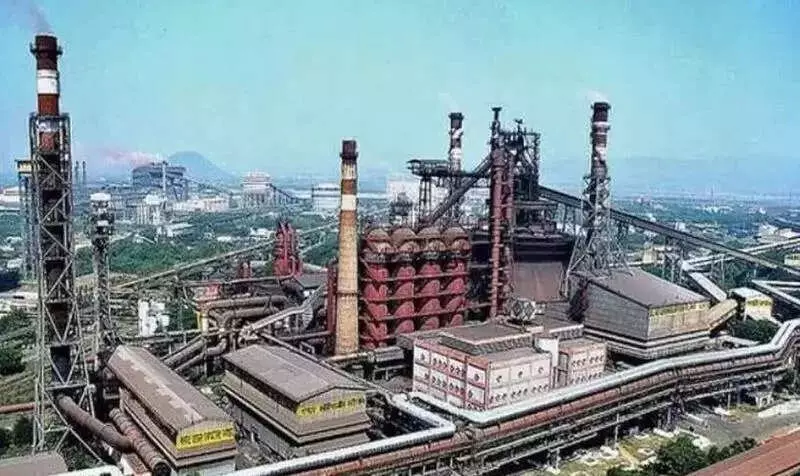
In a significant move impacting its workforce, the Visakhapatnam Steel Plant (VSP), also known as RINL, has rolled out a fresh notification for a Voluntary Retirement Scheme (VRS). This marks the third such initiative by the plant's management in recent years, continuing a trend of substantial manpower reduction.
Details of the Latest VRS Phase
The management has announced that applications for this new VRS phase will be accepted from January 1, 2026, until January 20, 2026. Eligibility for the scheme is extended to permanent employees whose service extends beyond January 1, 2027. The plant aims to remove approximately 570 employees through this third phase.
This decision follows two previous rounds of voluntary retirement. In the first two phases, a total of 1,633 employees opted for the scheme—comprising 1,146 in the first phase and 487 in the second. The workforce composition has seen a dramatic shift over the past few years.

Shrinking Workforce Numbers
A few years ago, VSP had around 14,000 permanent employees, with a similar number of contract workers. The current headcount tells a different story. Presently, the total number of employees stands at 9,385. This includes:
- 2,819 executives
- 6,586 non-executives
Furthermore, the management has also terminated the services of around 5,000 contract employees to date, adding to the overall reduction in plant manpower.
Trade Unions Voice Strong Criticism
The latest VRS notification has drawn sharp criticism from trade unions representing the plant's workers. They have leveled serious allegations against the VSP management's strategy.
Union leaders argue that while the management is aggressively cutting manpower through schemes like VRS, it is simultaneously exerting immense pressure on the remaining workforce. They claim the administration is pushing for 92% production capacity utilization from the plant's three blast furnaces.
Additionally, the unions allege that critical maintenance works are being neglected, potentially compromising plant safety and long-term operational efficiency. Instead of focusing on creating market demand for VSP's steel products, the unions accuse the management of degrading the plant's overall standing and capabilities.
This ongoing tension between the workforce and management highlights the challenges facing the public sector steel plant as it navigates restructuring and efficiency drives in a competitive market.






