

Record Earnings Meet Investor Apathy on Wall Street
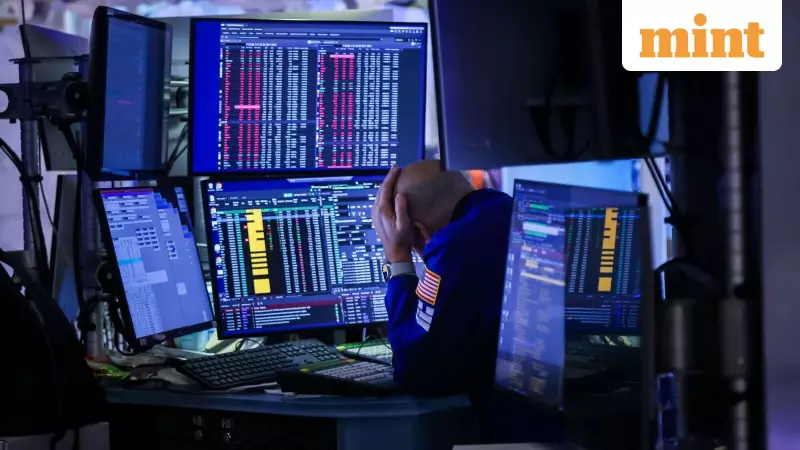
American corporations have delivered one of their most impressive quarterly performances in years, yet Wall Street has responded with a collective shrug. Despite a stellar earnings season, stock investors have remained largely unimpressed, leading to a surprisingly muted market reaction that has puzzled many observers.
The Great Earnings Paradox
Data from LSEG I/B/E/S reveals a remarkable trend: more than 80% of the 446 S&P 500 companies that reported third-quarter results have surpassed analysts' estimates. This represents the largest group of outperformers since the spring of 2021, signaling robust corporate health across multiple sectors.
However, this outstanding performance has failed to translate into significant market gains. Since October 14, when banking giant JPMorgan Chase kicked off the earnings season with strong results, the S&P 500 has gained a modest 1.3%. Even more telling, according to a Goldman Sachs analysis from October 31, the median S&P 500 stock that beat earnings estimates outperformed the broader benchmark by only 0.3% on the day following its report—significantly below the historical average of approximately 1%.

Why Good News Isn't Moving Markets
The explanation for this disconnect lies in the market's monthslong climb to record highs, which had already baked high expectations into stock prices. Chris Grisanti, chief market strategist at MAI Capital Management, noted, "The market has been filled with steamroller momentum for the last four months, so it doesn't shock me that even surprisingly good earnings are being met with a bit of exhaustion."
Investors aren't just weary from the prolonged rally. Recent concerns have emerged about technology companies overspending on artificial intelligence initiatives, pulling the Nasdaq Composite Index into its biggest weekly decline since April. Additional worries about consumer sentiment and job cuts have further dampened enthusiasm, with the broader S&P 500 ending last week down 1.6%.
Valuation Concerns and AI Anxiety
Even before the early November selloff, skepticism was growing around the valuations of market-leading stocks. Major technology companies, particularly those benefiting from AI enthusiasm, are trading at exceptionally high multiples—sometimes hundreds of times their projected earnings. The cyclically adjusted price/earnings ratio, popularized by Nobel laureate Robert Shiller, has surged to levels unseen since the dot-com boom.
This valuation anxiety has caused investors to look beyond near-term results toward a future where massive AI investments are expected to pay off. Ed Yardeni, president of Yardeni Research, explained that investors entered earnings season "more concerned that they might have overvalued stocks," making strong reports more likely to be met with "a sigh of relief, more than a surprise."
Case Studies in Market Disappointment
Several high-profile examples illustrate this trend vividly. When Meta Platforms announced record quarterly sales on October 29, its stock tumbled 11% the next day after the company revealed that its already substantial AI spending would increase further in 2026.
Similarly, data analytics firm Palantir reported record revenue and raised its full-year guidance on November 3, yet its stock fell 8%. Robinhood Markets experienced the same pattern, with the brokerage's stock sinking nearly 11% despite reporting record revenue and tripled profits, as investors focused on high expenses and lighter-than-expected crypto-trading business.
What Lies Ahead for Markets
With approximately 54 S&P 500 companies still scheduled to report results, including retail giant Walmart and AI leader Nvidia, the earnings season isn't over. Some market participants view the current pullback as a healthy correction in a market that had become increasingly frothy.
Grisanti remains optimistic, pointing to historical trends that show stocks often rally during the year's final weeks. "I'm not at all concerned at this moment that we're not off to the races," he said. "It seems natural—in fact, it is probably healthy—that we're consolidating some of these huge gains we've made."

As investors continue to weigh strong current performance against future uncertainties, the market's tepid response to outstanding earnings highlights the complex psychology driving today's investment decisions and the heightened scrutiny facing corporate spending, particularly in the artificial intelligence sector.





