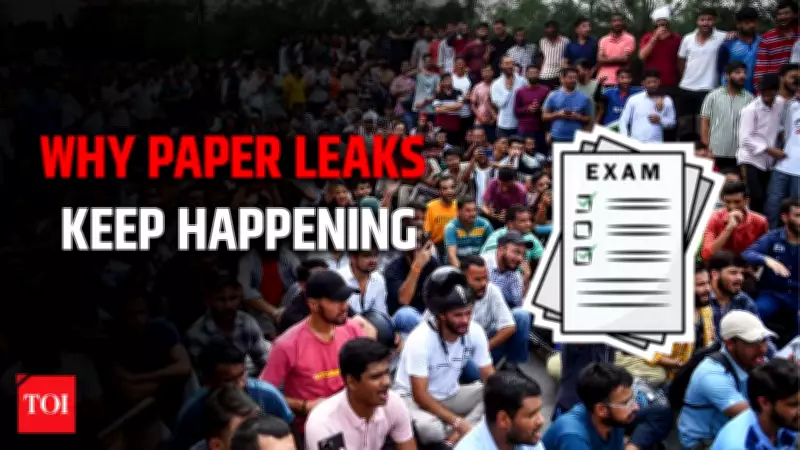
The NEET 2026 paper leak controversy has reignited concerns over the integrity of India's examination system. With millions of students competing for limited seats and jobs, paper leaks, organised cheating networks, technological vulnerabilities and intense competition have created a recurring crisis.
Why Exam Leaks Keep Happening
Exam leaks in India often stem from a combination of factors, including weak security protocols, insider involvement, and the high stakes attached to competitive exams. Fraud networks exploit the desperation of students and their families, promising success through illicit means.
The Role of Organised Cheating Networks
These networks operate with sophisticated methods, using technology to bypass security measures. They profit from the anxiety of students who fear that honest preparation may not be enough to secure a seat in prestigious institutions.

The Human Cost
The human cost of these scandals is immense. Students who have worked hard for years face uncertainty and disappointment. Families invest their savings in coaching and preparation, only to see their dreams shattered by unfair practices.
Can Trust Be Restored?
Restoring trust in India's high-stakes examination ecosystem requires comprehensive reforms. This includes strengthening security, ensuring transparency, and creating a level playing field for all students. The government and examination authorities must take decisive action to prevent future leaks and punish those responsible.
Ultimately, the NEET 2026 paper leak serves as a stark reminder of the challenges facing India's education system. Addressing these issues is crucial to upholding the principles of merit and fairness that are essential for the country's future.