Bengaluru Doctors Issue Urgent Warning Against Firewood Cooking During LPG Crisis
As the ongoing LPG supply disruptions and rising costs drive renewed interest in traditional cooking methods, clinicians in Bengaluru are sounding alarm bells about the severe health hazards associated with firewood use. Medical experts warn that this shift risks reversing years of progress in reducing household air pollution through cleaner fuel adoption.
Harmful Emissions and Respiratory Damage
Dr. Satyanarayana Mysore, chairman and HOD of pulmonology at Manipal Hospitals, explains the fundamental danger: "Whenever non-renewable materials like charcoal or biomass such as firewood are burned, they release harmful gases that pose significant health hazards to anyone in the cooking area." He emphasizes that the risks extend beyond simple emissions to include soot deposition and worsening airway health parameters.
Dr. Mysore details the specific medical consequences: "Biomass fuel exposure leads to chronic obstructive airflow diseases, worsens existing asthma conditions, and creates instability in allergic rhinitis or upper airway resistance syndromes. The impact on respiratory health is both profound and cumulative."

Immediate and Long-Term Health Effects
Dr. Sachin D, consultant in clinical and interventional pulmonology at Kauvery Hospitals, outlines the comprehensive health impacts: "Cooking with firewood emits substantial smoke containing particulate matter (PM2.5), carbon monoxide, and numerous other toxic gases. Inhalation of these substances produces both immediate and long-term health consequences."
The short-term effects include:
- Burning sensations in eyes, throat, and sinuses
- Persistent coughing
- Headaches and nausea
- Respiratory irritation
"In the long term," Dr. Sachin continues, "this exposure significantly impacts lung function, gradually deteriorating the air exchange process and potentially leading to serious conditions like emphysema. The damage accumulates over time, making regular exposure particularly dangerous."
Household-Wide Vulnerability
The health impact extends far beyond the individual cook to affect entire households. Dr. Ravindra Mehta, interventional pulmonologist and founder of Vaayu Chest & Sleep Specialists, highlights the collateral damage: "The home environment becomes contaminated, and poorly ventilated kitchens create hazardous conditions for all residents. Children with developing lungs are especially vulnerable to these toxic exposures."
Dr. Mehta emphasizes the particular danger to younger family members: "When children are exposed to these pollutants during critical developmental stages, they face increased risks of respiratory problems that can persist throughout their lives. This represents a serious public health concern beyond individual household choices."
Debunking the "Healthier Food" Myth
Bharathi AV, senior dietitian and HOD of nutrition at Hosmat Hospital, addresses a common misconception: "Many people believe food cooked on firewood is inherently healthier, but medically speaking, the food itself doesn't gain significant nutritional superiority from this cooking method. The perceived benefits relate more to taste preferences and traditional practices than proven health advantages."
She clarifies the actual risk distribution: "The health danger lies entirely in the smoke exposure during cooking, not in the food preparation itself. While occasional use might not cause immediate harm, regular exposure to these toxic emissions completely outweighs any perceived benefits of traditional smoky preparation methods."
Limited Protective Measures
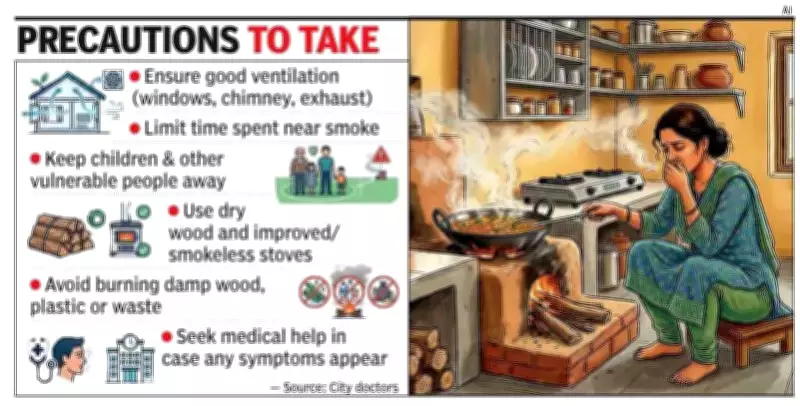
For households where firewood use becomes unavoidable, doctors recommend specific precautions to minimize exposure:

- Cooking exclusively in well-ventilated spaces
- Installing and using effective chimneys or exhaust systems
- Opting for improved or smokeless stove designs
- Keeping children and vulnerable individuals away from cooking areas
However, clinicians caution that these measures offer only partial protection. Dr. Ravindra Mehta notes the inherent limitations: "Very few effective precautions are truly feasible when cooking with open fuel sources like firewood, coal, or kerosene. The fundamental problem remains the toxic emissions themselves."
The medical consensus is clear: while economic pressures might make firewood cooking seem attractive, the health costs are substantial and potentially irreversible. Bengaluru's healthcare professionals urge residents to consider these serious health implications before abandoning cleaner cooking fuels, emphasizing that short-term savings could lead to long-term medical consequences for entire households.