IIT Research Uncovers Alarming Rise in Cesarean Deliveries Across India
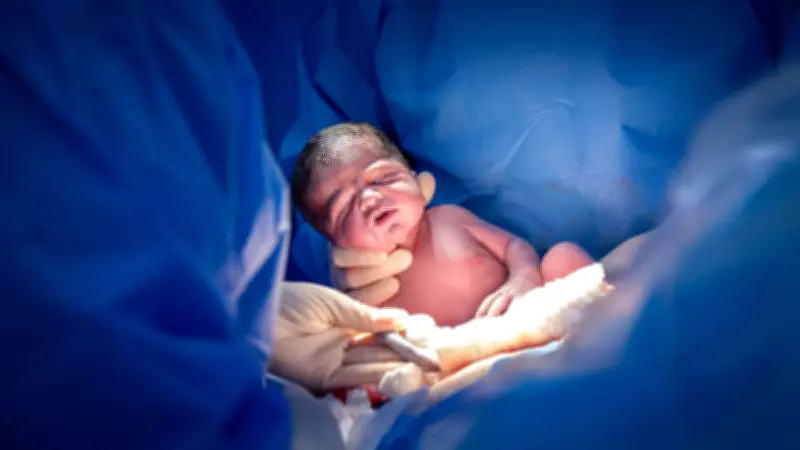
A groundbreaking study conducted by the Indian Institute of Technology (IIT) has revealed a substantial and concerning increase in the rate of cesarean section (C-section) births among women in India. This research, which analyzed extensive health data from recent years, points to a complex interplay of socio-economic, medical, and demographic factors driving this trend, sparking debates about maternal healthcare practices and outcomes.
Key Findings from the IIT Study on C-Section Trends
The IIT study meticulously examined birth records and healthcare statistics from various regions across the country. It found that the prevalence of C-section deliveries has risen sharply, particularly in urban and semi-urban areas. Notably, the data indicates that this increase is not uniformly distributed, with higher rates observed among certain demographic groups, such as older mothers and those with better access to private healthcare facilities.
Factors contributing to this surge include advanced maternal age, increased prevalence of lifestyle-related health conditions, and a growing preference for scheduled deliveries. The study also highlights the role of healthcare infrastructure, where private hospitals often report higher C-section rates compared to public institutions, suggesting potential influences from medical protocols and patient choices.

Underlying Causes and Implications for Maternal Health
Delving deeper, the research identifies several critical drivers behind the rising C-section rates. Maternal age is a significant factor, as women opting for childbirth later in life may face higher risks, leading to more cesarean recommendations. Additionally, urban living environments, with their associated stress and sedentary lifestyles, contribute to pregnancy complications that necessitate surgical interventions.
Other key elements include:
- Healthcare Access and Quality: Improved access to medical facilities in urban areas often correlates with higher C-section rates, partly due to better diagnostic capabilities and surgical readiness.
- Medical Indications: Conditions such as fetal distress, breech presentations, and previous C-sections are common medical reasons cited for cesarean deliveries.
- Socio-Cultural Influences: There is a growing perception among some communities that C-sections are safer or more convenient, influenced by anecdotal experiences and media portrayals.
This trend raises important questions about the balance between medical necessity and elective procedures. While C-sections can be life-saving in certain scenarios, overuse may lead to unnecessary risks, including longer recovery times, higher costs, and potential complications in future pregnancies. The study calls for more nuanced healthcare policies to ensure that cesarean deliveries are performed based on clinical need rather than convenience or non-medical factors.
Broader Context and Future Directions
The findings from the IIT study align with global concerns about rising C-section rates, which have been documented in many developing and developed nations. In India, this issue is particularly pressing given the country's large population and diverse healthcare landscape. Addressing this requires a multi-faceted approach, involving better education for expectant mothers, stricter adherence to medical guidelines, and enhanced monitoring of birth practices across hospitals.
Future research should focus on longitudinal studies to track long-term health outcomes for both mothers and children following cesarean births. Policymakers and healthcare providers must collaborate to promote evidence-based practices, ensuring that maternal care prioritizes safety and well-being while respecting patient autonomy. As India continues to advance in healthcare, striking this balance will be crucial for improving maternal and infant health metrics nationwide.