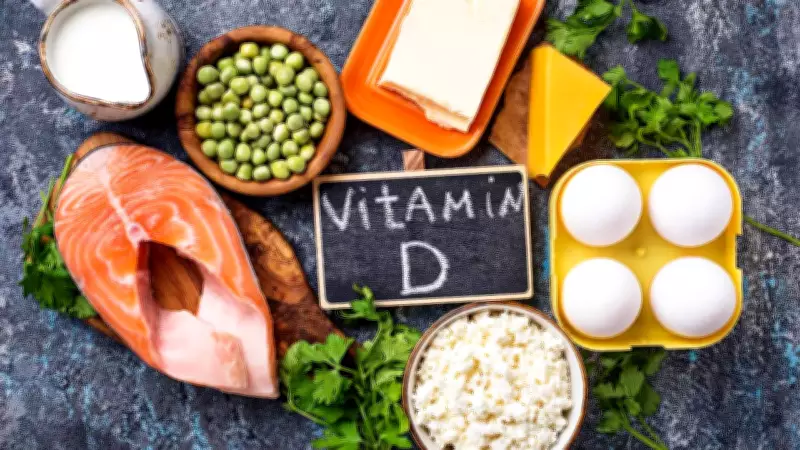
Top 5 Vitamin D-Rich Foods to Enhance Your Health
Vitamin D, often called the sunshine vitamin, is an essential nutrient critical for maintaining strong bones, healthy teeth, and robust muscles. Despite its importance, vitamin D deficiency remains widespread, driven by factors like insufficient sun exposure, dietary gaps, and underlying health conditions. While sunlight is the most natural source, incorporating specific foods into your diet can significantly boost your daily intake. Here are five of the healthiest and richest food sources of vitamin D to add to your meals.
Fatty Fish: A Powerhouse of Vitamin D
Fatty fish stand out as one of the best sources of vitamin D. Options like salmon, mackerel, sardines, and tuna are particularly rich in this nutrient. For instance, a 3.5-ounce (100-gram) serving of Atlantic salmon provides approximately 441 International Units (IU) of vitamin D, covering about 55% of the Daily Value (DV). The vitamin D content can vary based on the fish's origin, with wild-caught varieties often offering higher levels. Sardines present a more affordable alternative, delivering up to 270 IU per serving. To maximize benefits, aim to include fatty fish in your diet two to three times weekly.
Eggs: An Affordable and Versatile Option
Eggs are an excellent and budget-friendly source of vitamin D, ideal for those who avoid fish. The yolk of a large egg (around 50 grams) contains about 41 IU of vitamin D, contributing roughly 5% of the DV. Eggs from hens raised outdoors or fed vitamin D-enriched diets can have significantly higher levels. Beyond vitamin D, eggs are packed with protein, healthy fats, and essential micronutrients like choline and B vitamins. Incorporating eggs into your breakfast routine is a simple way to enhance your nutrient intake.

Mushrooms: A Vegetarian and Vegan Delight
For vegetarians and vegans, mushrooms offer a valuable non-animal source of vitamin D. Similar to humans, mushrooms synthesize vitamin D when exposed to ultraviolet light. Edible wild mushrooms typically contain more vitamin D than cultivated varieties, with one cup providing around 136 IU, or 17% of the DV. Commercially grown mushrooms are often cultivated in darkness and have minimal vitamin D2, but UV treatment can boost their content. Adding mushrooms to your diet is an effective strategy to meet vitamin D needs without animal products.
Fortified Foods: Convenient and Accessible
Fortified foods provide another reliable way to increase vitamin D intake. In many regions, store-bought cow's milk is enriched with approximately 115–130 IU per cup. Plant-based alternatives, such as soy milk, oat milk, and orange juice, are also commonly fortified with similar amounts. Additionally, breakfast cereals, yogurt, and certain juices may contain added vitamin D. It's important to check nutrition labels, as vitamin D levels can vary significantly between brands and products.
Liver and Fish Liver Oils: Potent Nutrient Sources
Animal liver, especially beef liver, is a potent source of vitamin D. Fish liver oils, like cod liver oil, are particularly rich, with one teaspoon (4.9 milliliters) offering about 450 IU, or 56% of the DV. These options are available in liquid or capsule forms, making them accessible for various dietary preferences. For vegetarians and vegans, fish liver oils can be a supplement to help meet vitamin D requirements, though it's essential to choose products aligned with your dietary choices.
By integrating these vitamin D-rich foods into your daily routine, you can effectively combat deficiency and support overall health. Remember to balance diet with adequate sun exposure for optimal results.