

Why Milk Spoils Faster in Summer and How to Prevent It
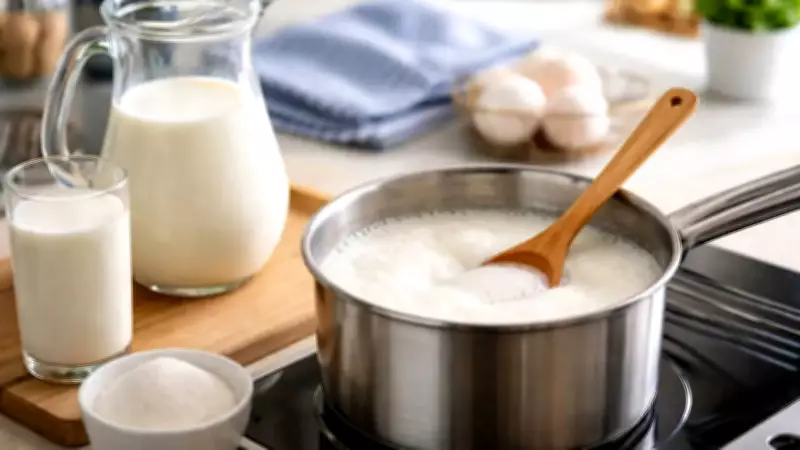
Milk is an integral part of daily life in India, commonly used in beverages like tea and coffee, as well as in sweets and various dishes. However, with the arrival of summer, a widespread issue emerges: milk tends to curdle rapidly. You might boil milk in the morning, only to find it sour or curdled by evening when reheated. While heat is a primary factor, certain practices can help delay this spoilage. In fact, adding one simple ingredient during boiling can significantly extend milk's freshness.
The Science Behind Milk Spoilage in Hot Weather
The reason milk spoils faster in summer is straightforward. Milk contains sugars and proteins that create an ideal environment for bacterial growth. During hot weather, the increased temperature accelerates bacterial activity, leading to a rise in acidity. This heightened acidity causes the milk to curdle. Even brief exposure to warm conditions can hasten this process, with milk potentially spoiling within just a few hours in extreme heat.
One Simple Trick While Boiling Milk
A popular kitchen hack involves adding a small pinch of baking soda to milk while it is boiling. This works because baking soda helps neutralize the increasing acidity, thereby delaying curdling. It is crucial to use baking soda in moderation, as excessive amounts can affect the milk's quality. This trick does not permanently extend shelf life but can buy extra time, especially when milk is on the verge of spoiling.

Cool Milk Quickly After Boiling
A common mistake is leaving boiled milk on the kitchen counter for too long. Warm milk enters a "danger zone" where bacteria multiply rapidly. To prevent this, after boiling, allow the milk to cool slightly. Then, place the container in a bowl of cold water or under a fan to speed up cooling. Once the milk becomes lukewarm, refrigerate it immediately to maintain freshness.
Avoid Reheating Milk Repeatedly
Repeatedly heating and cooling milk damages its protein structure, increasing the likelihood of curdling. A better approach is to boil milk once and store it in the refrigerator. When needed, take out only the required amount and boil it separately to minimize spoilage risks.
Store Milk the Right Way
Proper storage is often overlooked. Avoid placing milk on the refrigerator door due to constant temperature fluctuations. Instead, store it at the back of a shelf where temperatures are consistently lower. Use clean, airtight containers made of glass or steel to prevent contamination and preserve quality.
Keep Milk Away from Contamination
Milk can easily absorb odors and bacteria from other foods. Always cover milk containers and keep them away from strong-smelling items like pickles or leftovers. Additionally, use clean utensils when handling milk to prevent bacterial growth that leads to spoilage.
Milk curdling in summer is not inevitable but often results from minor daily errors. By managing temperatures, avoiding repeated reheating, and employing tricks like adding baking soda, you can easily extend milk's shelf life. A little extra effort can save both your milk and your time, ensuring freshness throughout the hot season.

