

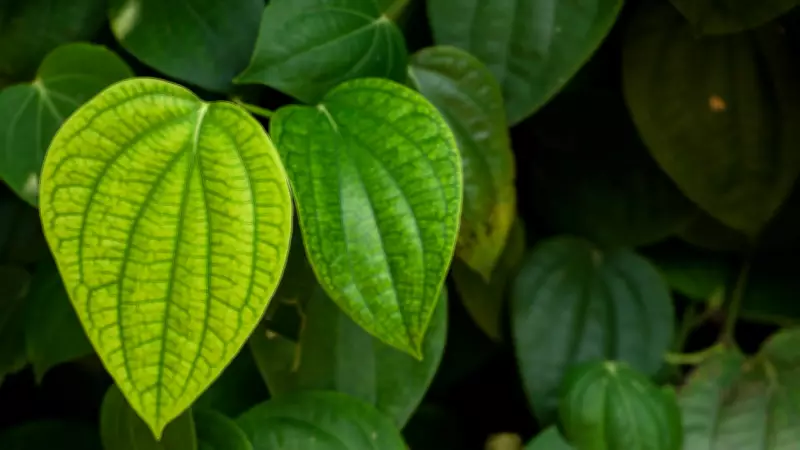
Growing Betel Leaf Plant at Home: A Complete Guide from Single Leaf
While cultivating a home garden for a betel leaf plant, commonly known as the paan plant, might seem unconventional, it is entirely achievable with the right techniques. An increasing number of home gardeners are exploring minimal propagation methods, and the concept of growing a paan vine from just one leaf has sparked considerable interest. According to gardening experts, under optimal conditions, roots can emerge in as little as nine days. This approach is not only cost-effective but also highly rewarding for enthusiasts passionate about nurturing plants in limited home spaces.
Understanding the Betel Leaf Plant: Basics for Home Cultivation
The betel leaf plant, scientifically named Piper betle, is a tropical climbing species that thrives in warm and humid climates. Traditionally, propagation relies on stem cuttings rather than leaves because roots develop from nodes present on the stem, not from the leaves themselves. Research from the Agricultural and Food Engineering Department at the Indian Institute of Technology confirms that vegetative propagation through stem cuttings is the most effective method. However, in home gardening scenarios, if a leaf includes a portion of the stem with a node attached, root formation becomes possible, making this a viable alternative for small-scale cultivation.
Step-by-Step Process to Grow Paan Plant from a Single Leaf
For those eager to try this at home, follow these straightforward steps to ensure success:

- Select a Healthy Leaf: Choose a fresh, vibrant green leaf that has a small section of the stem attached, ensuring it contains a node.
- Prepare the Growing Medium: Use a mixture of moist cocopeat and garden soil to create an ideal environment for root development.
- Maintain Humidity: Place the leaf in a container and cover it loosely to retain moisture, which is crucial for germination.
- Provide Indirect Sunlight: Keep the container in a warm location away from direct sunlight to prevent damage to the tender leaf.
- Water Carefully: Ensure the soil remains moist but not waterlogged to avoid root rot.
With proper attention to these requirements, roots should begin to appear within approximately nine days, marking the start of your plant's growth journey.
Betel Leaf Plant Care Tips for Healthy Growth
Once roots have developed, consistent care is essential to foster a thriving plant:
- Transplant Gently: Move the rooted cutting to a slightly larger pot to accommodate growth.
- Provide Support: As a climbing plant, offer a trellis or stake for the vine to cling to as it matures.
- Ensure Humidity: Maintain a humid environment, as betel plants flourish in moisture-rich conditions.
- Avoid Direct Sunlight: Protect the plant from harsh sunlight to prevent leaf damage and promote healthy foliage.
With dedicated care, your betel leaf plant can gradually evolve into a robust and verdant vine, enhancing your home garden.
Can a Paan Plant Grow Without a Stem? Scientific Insights
From a practical and scientific perspective, it is important to understand the limitations of this method. A leaf alone cannot generate roots unless it contains meristematic tissue or is part of a node. Research emphasizes that vegetative propagation in betel vine is dependent on nodal cuttings. Therefore, while the single-leaf method may appear successful, it relies on the presence of a small node attached to the leaf. A leaf completely devoid of a stem is unlikely to develop into a full plant, highlighting the necessity of nodal tissue for effective propagation.

Why This Gardening Method is Gaining Popularity
The appeal of growing a betel leaf plant from a single leaf lies in its simplicity and charm. It is particularly popular among urban dwellers with limited space and beginners in gardening. This method encourages a hands-on learning experience about plant biology, demonstrating that even a modest leaf can transform into a refreshing new plant. By fostering curiosity and engagement, it inspires more people to explore the joys of home gardening, making it a trending topic in horticultural circles.
