CIA Surveillance Intensifies: World Leaders Face Unprecedented US Tracking
In a stark demonstration of modern intelligence capabilities, global leaders are finding it harder than ever to evade the watchful eye of American surveillance operations. The Central Intelligence Agency (CIA) has developed sophisticated tracking methods that have fundamentally changed the landscape of international espionage and security.
Venezuelan Leader Under Constant Observation
When Venezuelan President Nicolás Maduro and his wife entered their apartment within a Caracas military base on an early January morning, they remained completely unaware that their every movement was being meticulously monitored by American intelligence agencies. The surveillance operation extended far beyond simple observation.
Intelligence sources reveal that the CIA had constructed an exact replica of Maduro's apartment complex, including the secure safe room, at a classified facility in Kentucky. A specialized Delta team conducted dozens of practice runs at this replica, perfecting techniques to neutralize security personnel and breach reinforced doors.

Iranian Leadership Also Targeted
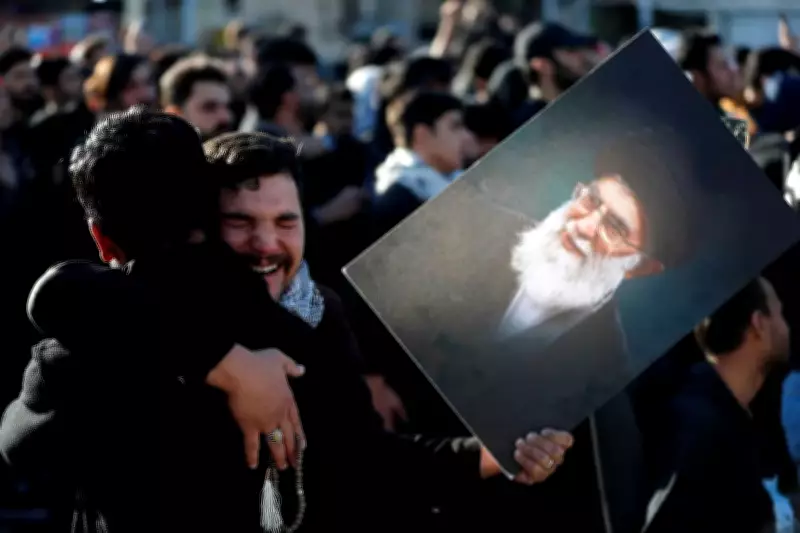
The surveillance net extends beyond Venezuela to other nations of strategic interest. Ayatollah Ali Khamenei, Iran's Supreme Leader, apparently disregarded mounting evidence that the CIA was actively tracking him and his senior leadership team. This operation gained public attention eight months ago when former President Donald Trump unexpectedly revealed details through a social media post.
The intelligence gathering proved crucial when American and Israeli agencies discovered that Khamenei and his national security team planned to convene on Saturday, February 28th. This intelligence prompted authorities to accelerate their operational timeline, demonstrating how surveillance directly influences strategic decision-making.
Evolution of Surveillance Technology
The current surveillance landscape represents a significant advancement from previous intelligence-gathering methods:
- Physical replication capabilities allowing for detailed operational planning
- Persistent monitoring of high-value targets across multiple locations
- Integration of intelligence between allied nations for coordinated responses
- Real-time tracking that enables rapid adjustments to operational timelines
Implications for International Relations
These enhanced surveillance capabilities create new dynamics in global diplomacy and security. World leaders must now operate under the assumption that their movements, communications, and security arrangements may be subject to American observation. This reality affects everything from routine daily activities to critical security planning.
The intelligence community's ability to track foreign leaders with such precision represents both a powerful tool for national security and a potential source of diplomatic tension. As surveillance technology continues to advance, the challenge for world leaders seeking privacy and security will only intensify in the coming years.