Unusual Gulmarg Heat Spurs Omar Abdullah's Push for Artificial Snow Technology
In a significant development for Jammu and Kashmir's tourism sector, former Chief Minister Omar Abdullah has called for the adoption of artificial snowmaking technology in Gulmarg. This move comes in response to unusually high temperatures that have severely impacted the region's iconic ski resort, raising concerns about its economic viability and winter sports activities.
Climate Challenges in Gulmarg
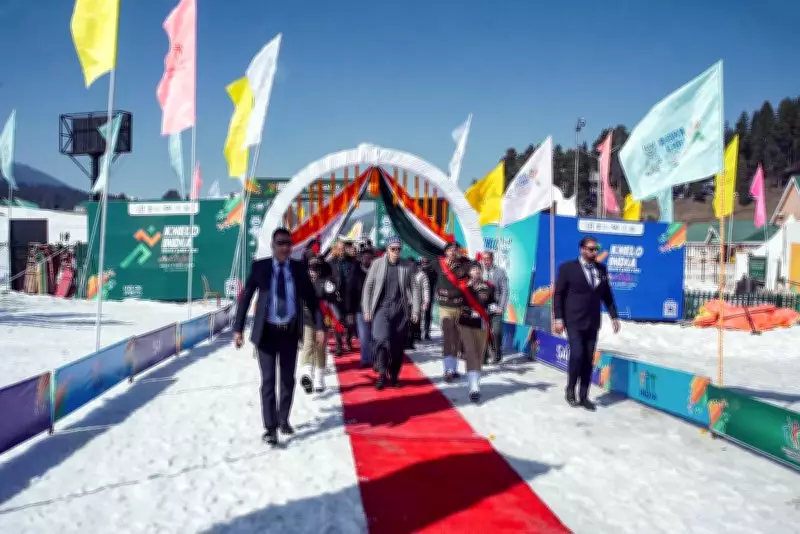
Gulmarg, renowned as one of Asia's premier skiing destinations, has been experiencing unprecedented heat waves this season. The abnormal weather patterns have led to a drastic reduction in natural snowfall, creating a critical situation for the local tourism industry. This climatic shift threatens not only recreational skiing but also major sporting events and the livelihoods of thousands dependent on winter tourism.
The resort, which typically attracts thousands of domestic and international tourists annually, has seen a noticeable decline in visitor numbers due to the poor snow conditions. This downturn has had a ripple effect on hotels, ski equipment rentals, and local businesses that thrive during the peak winter months.

Omar Abdullah's Advocacy for Technological Solutions
Omar Abdullah, a prominent political figure in Jammu and Kashmir, has emphasized the urgent need to explore artificial snowmaking as a sustainable solution. His advocacy highlights the growing recognition of climate change impacts on regional economies and the necessity for adaptive measures.
Artificial snow technology involves using specialized machines to produce snow by mixing water and compressed air, ensuring consistent snow cover regardless of natural weather conditions. This approach has been successfully implemented in ski resorts worldwide, including in Europe and North America, to mitigate the effects of warming temperatures.
Potential Benefits and Implementation Challenges
The push for artificial snow in Gulmarg offers several potential benefits:
- Economic Stability: Ensuring reliable snow conditions can safeguard tourism revenue and support local employment.
- Sporting Events: Maintaining snow cover is crucial for hosting national and international skiing competitions.
- Environmental Adaptation: Providing a buffer against climate variability to protect the region's winter ecosystem.
However, implementing this technology in Gulmarg presents certain challenges. These include the high initial investment costs for snowmaking equipment, the need for adequate water resources, and potential environmental considerations related to energy consumption and local hydrology. Addressing these factors will require careful planning and collaboration between government authorities, environmental experts, and tourism stakeholders.
Broader Implications for Jammu and Kashmir
Omar Abdullah's proposal underscores a broader trend of integrating technology to combat climate-related disruptions in sensitive regions. For Jammu and Kashmir, where tourism is a vital economic pillar, such innovations could be key to future resilience.
The situation in Gulmarg serves as a wake-up call for other hill stations and winter destinations across India that may face similar challenges due to global warming. Proactive measures, including investment in sustainable technologies, could help preserve these areas' cultural and economic significance.
As discussions progress, the focus will likely shift to feasibility studies, funding mechanisms, and pilot projects to test artificial snowmaking in Gulmarg's unique high-altitude environment. The outcome could set a precedent for climate adaptation strategies in mountain tourism regions nationwide.