India Condemns Pakistan's Airstrikes in Afghanistan During Holy Month
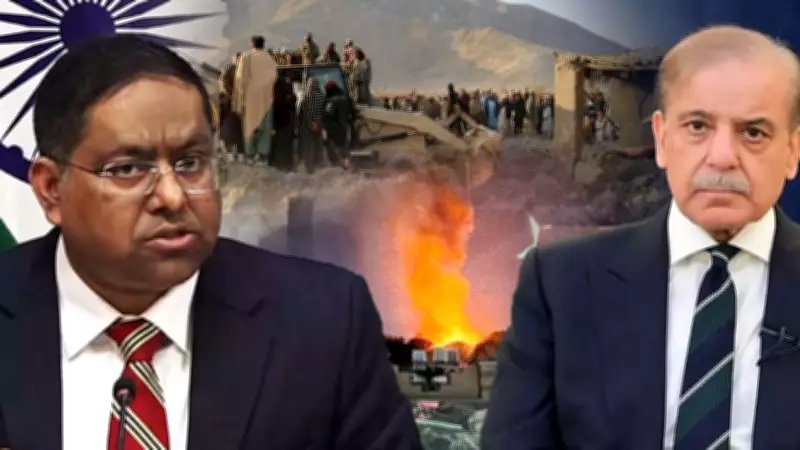
India has issued a sharp condemnation of Pakistan's recent airstrikes inside Afghanistan, which occurred during the sacred month of Ramadan. The Indian government expressed deep concern over the reported civilian casualties, including women and children, resulting from these military actions.
Official Statements and Accusations
Indian spokesperson Randhir Jaiswal stated that the attacks have led to significant loss of innocent lives and described the situation as profoundly troubling. He emphasized that such actions are unacceptable, particularly during a period of religious observance for Muslims worldwide.
Afghan officials provided detailed accounts of the strikes, reporting that residential areas and a school in the provinces of Nangarhar and Paktika were hit. According to their statements, dozens of people were killed or injured in these incidents, exacerbating the humanitarian crisis in the region.

Pakistan's Defense and Kabul's Response
In response to the criticism, Pakistan defended its operations, claiming they targeted militant hideouts in retaliation for recent suicide bombings in Islamabad, Bajaur, and Bannu. Pakistani Minister Talal Chaudhry asserted that the airstrikes were a necessary measure for national security, resulting in the deaths of approximately 70 terrorists.
However, the Afghan government in Kabul firmly rejected these allegations, dismissing Pakistan's justifications as unfounded. Afghan authorities warned of a measured and calculated retaliation, signaling a potential escalation in tensions between the two neighboring countries.
Broader Implications and Regional Stability
This incident highlights the ongoing volatility in South Asian geopolitics, with India positioning itself as a critic of Pakistan's cross-border military activities. The timing of the strikes during Ramadan has added a layer of religious sensitivity to the conflict, drawing international attention to the humanitarian aspects of the situation.
As diplomatic tensions rise, the region faces increased instability, with potential repercussions for peace efforts and bilateral relations. The international community is closely monitoring developments, urging restraint and dialogue to prevent further violence and loss of life.