India in Advanced Talks for Russian Su-57 Stealth Fighter as AMCA Program Faces Delays
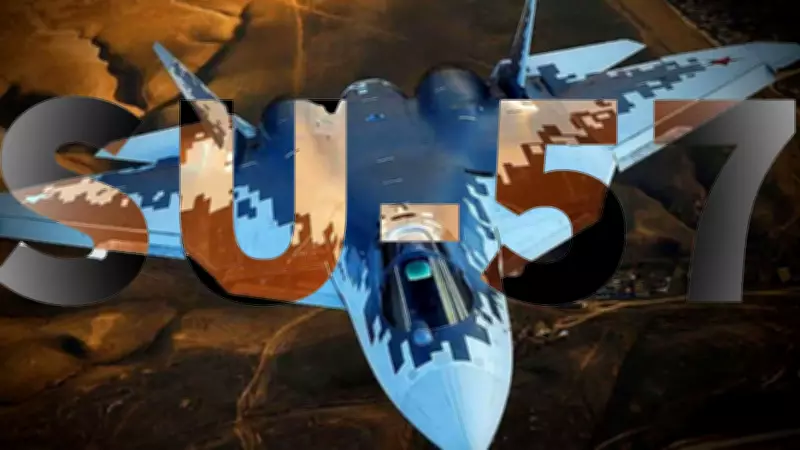
India is currently engaged in high-level discussions with Russia regarding the potential acquisition of the Su-57 stealth fighter aircraft. This development aims to address a significant gap in India's military inventory for advanced stealth capabilities. The negotiations are progressing at a crucial juncture, as the United States has also presented the F-35 fighter jet as an alternative option on the table.
Strategic Implications for India's Defense and Autonomy
The decision to pursue the Russian Su-57 carries profound strategic consequences that extend far beyond mere hardware procurement. It represents a critical test of India's strategic autonomy in defense matters, balancing relationships with global powers like Russia and the United States. This move could potentially strain India's already substantial defense budget, requiring careful financial planning and allocation of resources.
Furthermore, the acquisition of foreign stealth technology casts a considerable shadow over India's indigenous Advanced Medium Combat Aircraft (AMCA) program. The AMCA initiative represents India's ambitious endeavor to develop its own fifth-generation fighter aircraft, but it has encountered obstacles at the vendor selection stage, causing delays in its development timeline.

Context of India's Defense Procurement Challenges
The exploration of the Su-57 option emerges against a backdrop of India's ongoing efforts to modernize its air force capabilities. The country has long sought to enhance its aerial combat prowess with stealth technology, which offers reduced radar detection and advanced combat features. The current situation highlights the complexities of defense procurement in a rapidly evolving global security environment.
India's defense establishment must navigate multiple considerations, including:
- Technological compatibility with existing systems and infrastructure
- Strategic partnerships and geopolitical alignments
- Budgetary constraints and long-term sustainability
- Indigenous development priorities for self-reliance in defense
The Su-57, developed by Russia's Sukhoi design bureau, represents one of the few operational fifth-generation fighter aircraft available globally. Its potential integration into India's air force would mark a significant enhancement of the country's aerial combat capabilities, particularly in stealth operations and advanced warfare scenarios.
Broader Impact on India's Defense Industry and Policy
This potential acquisition decision will inevitably influence India's broader defense policy and industrial development. The indigenous AMCA program, while facing current challenges, remains a cornerstone of India's aspirations for technological self-sufficiency in defense manufacturing. The relationship between importing advanced foreign technology and nurturing domestic capabilities presents a delicate balancing act for policymakers.
As these negotiations progress, defense analysts will closely monitor how India manages the interplay between immediate operational needs and long-term strategic goals. The outcome could set important precedents for future defense procurement decisions and international partnerships in the aerospace sector.