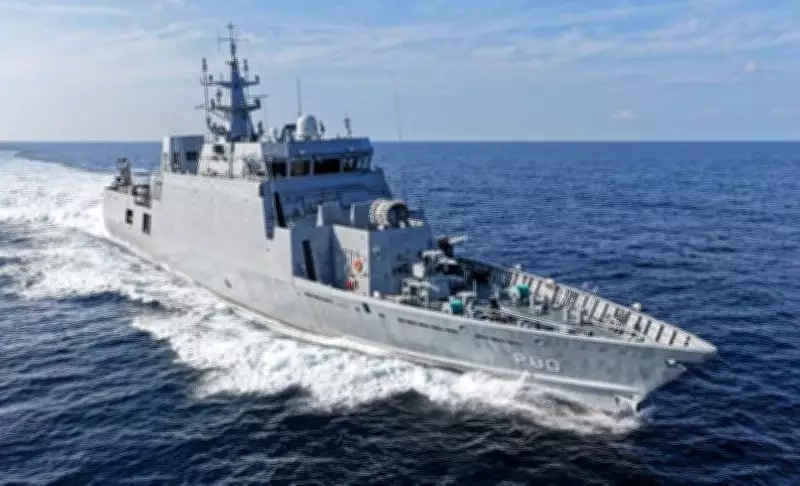
India Finalizes Missile Agreement with Russia Despite Sanctions Concerns
In a bold strategic move, India has officially signed a major missile deal with Russia, proceeding with the agreement even as the threat of potential international sanctions casts a shadow over the transaction. This development highlights India's unwavering commitment to enhancing its national defense infrastructure and securing advanced military technology to address evolving security challenges.
Details of the Defense Pact
The newly inked missile deal involves the acquisition of sophisticated missile systems from Russia, which are expected to significantly boost India's defensive and offensive capabilities. While specific technical details and financial terms of the agreement remain confidential, sources indicate that the pact includes provisions for technology transfer and joint development initiatives, fostering deeper defense cooperation between the two nations.
This agreement marks a continuation of the long-standing defense partnership between India and Russia, which has been a cornerstone of India's military procurement strategy for decades. The deal is seen as a critical step in modernizing India's armed forces and ensuring they are equipped with state-of-the-art weaponry to counter regional threats.

Navigating the Sanctions Landscape
The timing of this missile deal is particularly noteworthy, as it comes amid heightened geopolitical tensions and the looming possibility of sanctions from Western countries. Russia has faced various international sanctions in recent years due to its actions in global conflicts, and nations engaging in defense trade with Russia risk being subjected to secondary sanctions.
India's decision to proceed with the deal demonstrates its strategic autonomy and prioritization of national security interests over external pressures. Officials have emphasized that the agreement complies with all relevant international laws and regulations, and India is taking calculated measures to mitigate any potential fallout from sanctions.
- India has been diversifying its defense suppliers to reduce dependency on any single country.
- The government is exploring diplomatic channels to address concerns from other nations regarding the deal.
- Contingency plans are in place to ensure the smooth implementation of the agreement despite sanctions risks.
Strategic Implications and Regional Dynamics
This missile deal is expected to have far-reaching implications for regional security dynamics. By strengthening its missile arsenal, India aims to enhance its deterrence capabilities and maintain a balance of power in South Asia. The agreement also signals India's intent to assert its sovereignty in defense procurement decisions, independent of external influences.
The deal is likely to be closely monitored by neighboring countries and global powers, as it could influence military posturing and diplomatic relations in the region. India's defense officials have reiterated that the primary objective is to safeguard national interests and ensure the security of its borders.
In conclusion, the India-Russia missile deal represents a significant milestone in defense cooperation, undertaken with full awareness of the sanctions threat. It underscores India's resolve to fortify its military readiness while navigating complex international landscapes. As developments unfold, this pact will continue to shape discussions on global defense trade and geopolitical alignments.