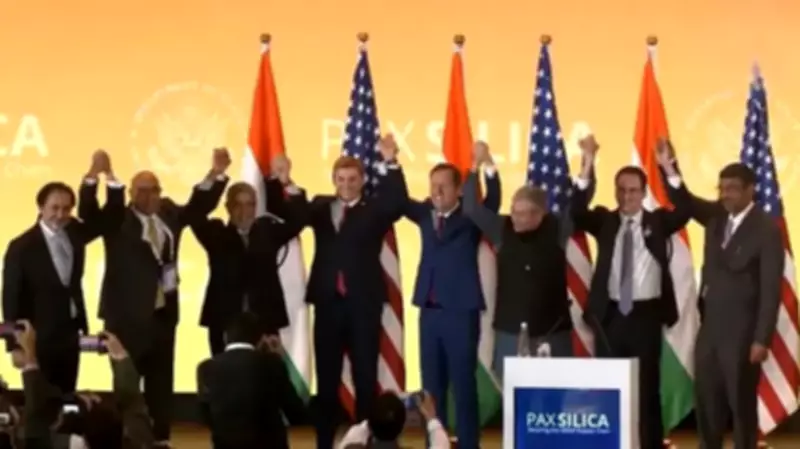
India Joins the Pax Silica Alliance: A Strategic Partnership for Minerals and AI Security
In a significant geopolitical development, India has officially joined the Pax Silica alliance, a strategic initiative spearheaded by the United States. This alliance represents a crucial step toward bolstering global security in two key domains: critical minerals and artificial intelligence (AI). The move underscores India's growing role in international technological and economic frameworks, aligning with its ambitions to become a major player in the digital and industrial sectors.
What is the Pax Silica Alliance?
The Pax Silica alliance is the brainchild of Jacob Helberg, the US Under Secretary of State for Economic Affairs. Conceived as a collaborative platform, its primary objective is to provide support and enhance security in the realms of critical minerals and artificial intelligence. This initiative aims to address vulnerabilities in global supply chains and foster innovation while mitigating risks associated with technological dependencies.
Key Focus Areas:

- Critical Minerals: Ensuring stable access to essential minerals like rare earth elements, which are vital for electronics, renewable energy, and defense technologies.
- Artificial Intelligence: Promoting secure and ethical AI development, including data protection, algorithmic transparency, and international standards.
Why Does India's Membership Matter?
India's participation in the Pax Silica alliance holds profound implications for both its domestic policies and global standing. As a rapidly developing economy with a burgeoning tech industry, India stands to gain significantly from enhanced collaboration in these strategic areas.
Strategic Benefits for India:
- Economic Growth: Access to secure mineral supplies can boost manufacturing sectors, particularly in electronics and green energy, driving job creation and industrial expansion.
- Technological Advancement: Partnerships in AI research and development can accelerate India's innovation ecosystem, positioning it as a leader in cutting-edge technologies.
- Geopolitical Influence: Aligning with the US-led initiative strengthens India's diplomatic ties and enhances its role in shaping global norms for technology and trade.
Moreover, this alliance addresses pressing global challenges, such as supply chain disruptions and cybersecurity threats, by fostering a cooperative approach among member nations. India's involvement signals a commitment to multilateral solutions in an era of increasing technological competition.
Broader Implications for Global Security
The Pax Silica alliance is not merely an economic pact; it is a strategic framework designed to safeguard national interests in an interconnected world. By focusing on critical minerals and AI, the initiative aims to reduce dependencies on single sources and promote resilience against geopolitical tensions.
As reported on February 20, 2026, this development marks a pivotal moment in international relations, highlighting the convergence of technology and security. India's entry into the alliance is expected to catalyze further collaborations, potentially involving other nations in Asia and beyond, to create a more stable and innovative global landscape.