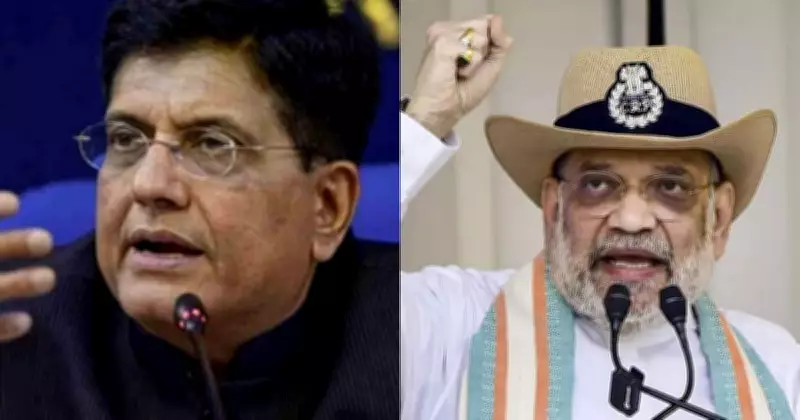
India Evaluates US Tariff Ruling as Shah Sets 5-Year Infiltrator Removal Deadline
In a significant development, India is currently assessing the potential economic impact of a recent tariff ruling by the United States Supreme Court. This ruling, which has garnered international attention, could have far-reaching consequences for global trade dynamics and India's export-oriented sectors. Simultaneously, Home Minister Amit Shah has made a bold declaration, vowing to remove all infiltrators from the country within the next five years, emphasizing a firm stance on national security and border integrity.
Analyzing the US Supreme Court's Tariff Decision
The US Supreme Court's ruling on tariffs is under close scrutiny by Indian policymakers and economic analysts. This decision, which pertains to trade regulations and import duties, may influence bilateral trade relations between India and the United States. Experts suggest that the ruling could affect key Indian industries, including textiles, pharmaceuticals, and information technology, potentially altering market access and competitiveness. The Indian government is reportedly conducting a comprehensive review to understand the implications and prepare strategic responses to safeguard national economic interests.
Amit Shah's Commitment to National Security
In a parallel development, Home Minister Amit Shah has reiterated the government's commitment to enhancing national security by addressing the issue of infiltrators. Shah announced a clear timeline, stating that all infiltrators will be identified and removed from India within five years. This pledge underscores the administration's focus on strengthening border controls and implementing stricter immigration policies. The move is expected to involve coordinated efforts between various security agencies and state governments to ensure effective execution.

Broader Implications and Future Outlook
The combination of these two major announcements highlights India's dual focus on economic resilience and security preparedness. As the country navigates the complexities of international trade laws, it also reinforces domestic measures to protect its sovereignty. Stakeholders are closely monitoring how these initiatives will unfold, with potential impacts on diplomatic relations, economic growth, and social stability. The coming years are poised to be critical as India balances external economic pressures with internal security challenges.