Iran Forges Diplomatic Alliance with Cuba, Issues Direct Threat to United States
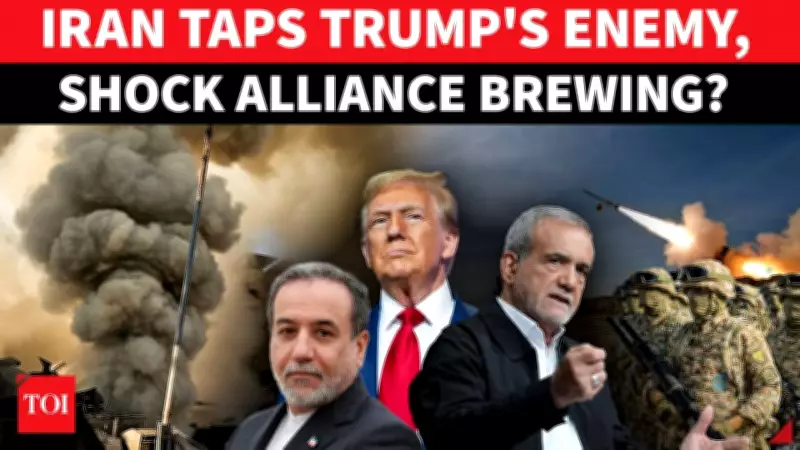
In a significant geopolitical development, Iran has reached out to Cuba, a nation historically at odds with the United States, amid escalating tensions in the Middle East. On Friday, Iranian Foreign Minister Seyed Abbas Araghchi held a telephonic conversation with his Cuban counterpart, Bruno Rodriguez Parilla. During this discussion, Araghchi explicitly threatened the United States regarding its continued involvement in the regional war.
Strategic Timing Amid Trump's Anti-Cuba Campaign
This diplomatic outreach occurs at a critical juncture, as former U.S. President Donald Trump has recently signaled plans to intensify his campaign against Cuba. The timing suggests Iran is strategically positioning itself to counter U.S. influence by aligning with nations that share adversarial relations with Washington. The conversation between Araghchi and Parilla highlights a potential united front against American policies, raising questions about broader military cooperation.
Context of Middle East Conflict and U.S. Involvement
The threat from Iran comes against the backdrop of a raging war in the Middle East, where U.S. forces are actively engaged. Iranian officials have consistently criticized American military actions in the region, framing them as destabilizing. This latest move with Cuba may be an attempt to isolate the U.S. diplomatically and rally international support against its interventions.

The Iran-Cuba dialogue could signal a shift in global alliances, with both nations leveraging their historical grievances against the U.S. to forge a stronger partnership. Analysts speculate that this could lead to increased military coordination, potentially complicating U.S. strategic interests in both the Middle East and Latin America.
Broader Reactions and Related Developments- Russian officials have criticized Arab nations for hosting U.S. bases, questioning Washington's reliability.
- President Vladimir Putin has engaged with Iranian leadership, indicating Russia's active role in the conflict.
- Arab fighters have intensified attacks on U.S. targets in Jordan, citing revenge for Iran and its leadership.
- Hezbollah has deployed elite forces in Lebanon, escalating clashes with Israeli troops.
- Iran's Islamic Revolutionary Guard Corps (IRGC) claims to have driven a U.S. aircraft carrier from the Sea of Oman using drone strikes.
As tensions mount, the international community watches closely to see if this Iran-Cuba alliance will translate into concrete actions against the United States, potentially reshaping the dynamics of the ongoing Middle East war and global diplomacy.