Iranian Embassy in India Issues Urgent Plea Following Supreme Leader Khamenei's Death
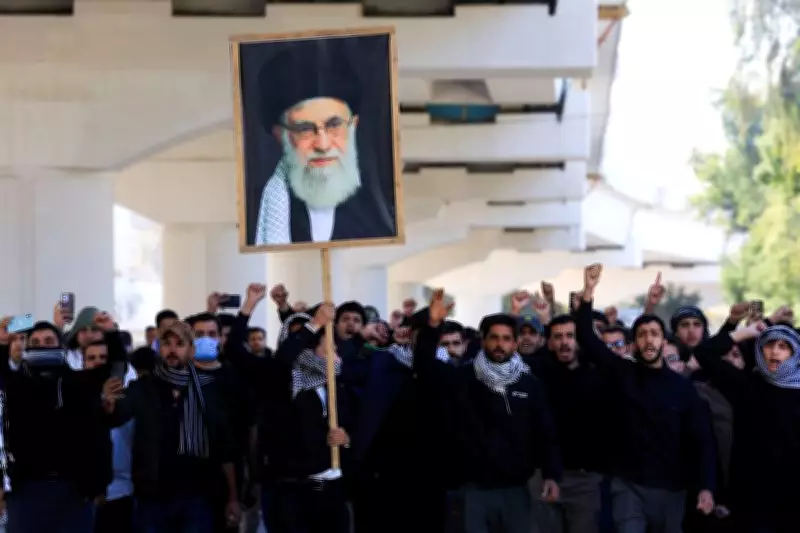
The Iranian Embassy in India has issued a heartfelt and urgent plea to the international community in the wake of the death of Iran's Supreme Leader, Ayatollah Ali Khamenei. The embassy's statement, released from New Delhi, calls for global solidarity and emphasizes the critical need for nations worldwide not to remain silent during this period of profound transition and mourning for Iran.
Diplomatic Appeal for International Solidarity
In a formal communication, the embassy underscored the significance of this moment, describing it as a pivotal juncture for Iran and its people. The plea highlights the deep emotional and political impact of Khamenei's passing, urging countries to recognize the gravity of the situation. The embassy's message is clear: silence from the global community could be interpreted as indifference, potentially exacerbating regional tensions and affecting diplomatic relations.
Context of Khamenei's Leadership and Legacy
Ayatollah Ali Khamenei served as Iran's Supreme Leader for over three decades, playing a central role in shaping the nation's domestic policies and international stance. His death marks the end of an era characterized by:

- Strong ideological guidance that influenced Iran's political and religious landscape.
- Key decisions on foreign affairs, including relations with Western powers and neighboring countries.
- Oversight of major economic and social initiatives within Iran.
The embassy's plea reflects concerns about the stability and continuity of Iran's governance during this leadership vacuum, emphasizing the need for a supportive international response.
Implications for India-Iran Relations
India and Iran share longstanding diplomatic and economic ties, particularly in areas such as energy trade and regional security cooperation. The Iranian Embassy's appeal from New Delhi signals a desire to maintain and strengthen these relationships amidst the uncertainty. Experts suggest that India's response could influence bilateral engagements, including:
- Ongoing discussions on oil imports and trade agreements.
- Collaborative efforts in Afghanistan and other regional stability initiatives.
- Cultural and educational exchanges that foster mutual understanding.
The embassy's call may prompt Indian authorities to issue statements of condolence or engage in diplomatic dialogues to reaffirm their commitment to peaceful relations.
Global Reactions and Future Outlook
While the international community has yet to respond uniformly, the Iranian Embassy's plea aims to galvanize action and empathy. Observers note that this event could reshape geopolitical dynamics in the Middle East, with potential effects on:
- Nuclear negotiations and sanctions regimes involving Iran.
- Alliances with countries like Russia and China, which have close ties with Tehran.
- Regional conflicts where Iran plays a significant role, such as in Syria or Yemen.
The embassy emphasized that global solidarity is not merely a diplomatic formality but a necessity for ensuring peace and stability in a volatile region. As Iran navigates this transition, the world's response will be closely watched, with implications for international law, human rights, and economic partnerships.
In conclusion, the Iranian Embassy in India's plea serves as a poignant reminder of the interconnectedness of global affairs. By urging the international community to break its silence, the embassy seeks to foster a collaborative environment that supports Iran during this challenging time, while also safeguarding broader regional and global interests.