EAM Jaishankar Justifies India's Humanitarian Gesture for Iranian Warship
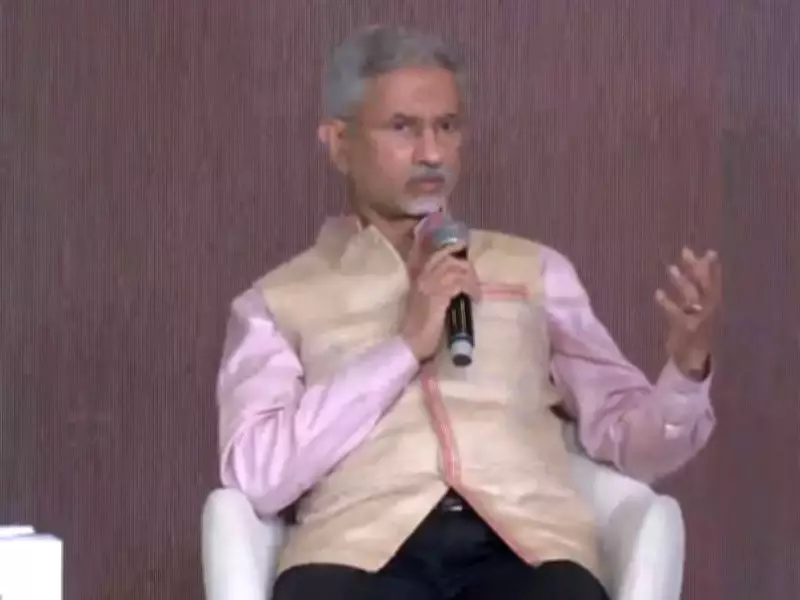
External Affairs Minister S. Jaishankar has publicly defended India's recent decision to allow the Iranian warship IRIS Lavan to dock at the port in Kochi, describing it as "the humane thing to do." This statement comes amid ongoing regional tensions and highlights India's nuanced approach to international diplomacy and maritime cooperation.
Context of the Docking Incident
The IRIS Lavan, a vessel from Iran's naval fleet, sought permission to dock in Kochi, a major port city in the Indian state of Kerala. India granted this request, facilitating the warship's stay for logistical and humanitarian purposes. Jaishankar emphasized that such actions are consistent with India's long-standing tradition of assisting vessels in distress and upholding global maritime protocols.
Jaishankar's Rationale and Diplomatic Implications
In his remarks, Jaishankar clarified that the decision was not politically motivated but rather a response to humanitarian and operational necessities. He pointed out that India routinely provides similar assistance to ships from various nations, reinforcing its role as a responsible maritime actor. This move occurs against the backdrop of complex geopolitical dynamics in the Middle East, where Iran faces international scrutiny and sanctions.

Key aspects of Jaishankar's justification include:
- Humanitarian Commitment: Ensuring the safety and well-being of the crew aboard the IRIS Lavan.
- Maritime Norms: Adhering to international laws that govern port access for vessels in need.
- Regional Stability: Contributing to peaceful navigation and reducing tensions in strategic waterways.
Broader Impact on India-Iran Relations
This incident underscores the delicate balance India maintains in its foreign policy, particularly with Iran, a key partner in energy and regional security. By allowing the docking, India demonstrates its independent diplomatic stance, navigating between Western pressures and its own strategic interests. Analysts suggest that such gestures could strengthen bilateral ties, especially in areas like trade and counter-terrorism cooperation.
However, it also raises questions about potential repercussions from other global powers, given Iran's contentious international status. Jaishankar's statement aims to preempt criticism by framing the action as apolitical and principled.
Public and International Reactions
Reactions to the docking have been mixed, with some praising India's humanitarian approach, while others express concerns over aligning too closely with Iran. Jaishankar's explanation seeks to mitigate these concerns by highlighting the routine nature of such maritime assistance. He reiterated that India's foreign policy decisions are guided by national interest and ethical considerations, rather than external pressures.
In summary, EAM Jaishankar's defense of India's decision to host the IRIS Lavan in Kochi reflects a broader strategy of pragmatic and humane diplomacy. It reinforces India's commitment to global maritime norms while carefully managing its relationships in a volatile region.