India Extends Condolences for Iran's Supreme Leader Amid Regional Tensions
In a significant diplomatic gesture, India has formally expressed condolences over the death of Iran's Supreme Leader Ayatollah Ali Khamenei, following reports of his demise in military strikes attributed to US-Israeli forces. The incident, which occurred five days prior, has heightened tensions in the volatile West Asia region, prompting India to engage in careful diplomatic outreach.
Foreign Secretary's Official Visit to Iranian Embassy
Vikram Misri, India's Foreign Secretary, visited the Iranian Embassy in New Delhi to convey the Government of India's sympathies. During this visit, he signed the official condolence book on behalf of the nation, a symbolic act underscoring India's commitment to maintaining diplomatic channels. Misri also held a meeting with the Iranian ambassador, reinforcing bilateral communication during this sensitive period.
External Affairs Minister's Direct Engagement
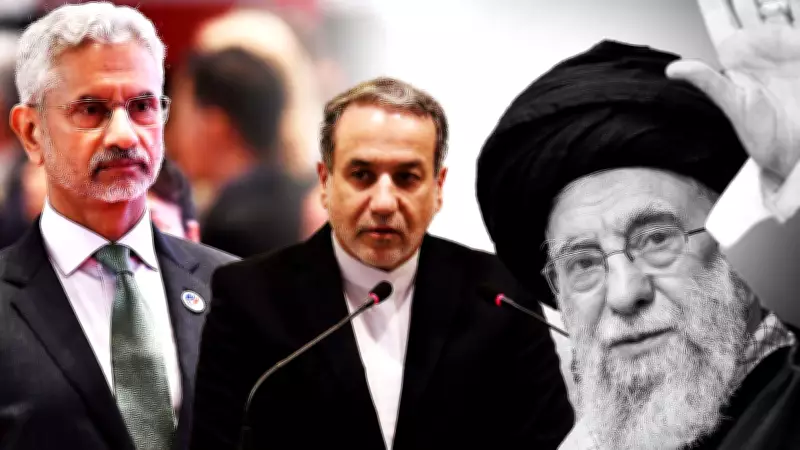
Adding to these efforts, External Affairs Minister S Jaishankar conducted a teleconference with Iranian Foreign Minister Seyed Abbas Araghchi. This high-level contact highlights India's proactive approach to managing international relations amid escalating regional conflicts. The conversation likely addressed the broader implications of Khamenei's reported death and its impact on stability in West Asia.

Context of Heightened Regional Tensions
The condolence gestures come against a backdrop of increased military activity and political uncertainty. Khamenei's death is reportedly linked to US-Israeli strikes, part of the ongoing conflict in West Asia that has drawn global attention. India's diplomatic moves reflect a balancing act, as the nation navigates complex alliances and seeks to promote peace while safeguarding its strategic interests in the region.
Key Points of India's Response:
- Condolences extended five days after the incident, following careful diplomatic assessment.
- Foreign Secretary's embassy visit and condolence book signing as formal state gestures.
- Direct communication between Jaishankar and Iranian Foreign Minister to discuss regional dynamics.
- Actions taken amid reports of US-Israeli involvement in Khamenei's death, adding to West Asia tensions.
This series of diplomatic engagements underscores India's role as a responsible global actor, emphasizing dialogue and condolence in times of crisis. As regional tensions persist, such outreach may help mitigate further escalation and foster international cooperation.