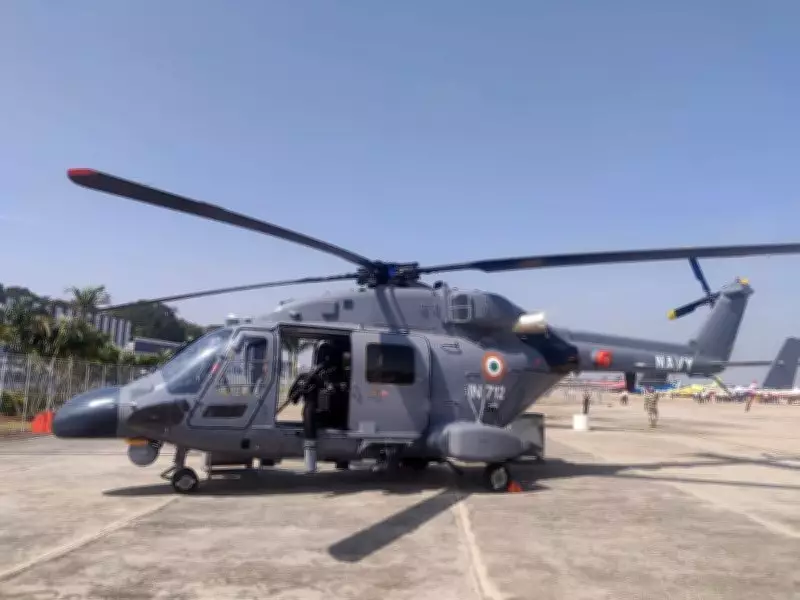
Indian Navy and Coast Guard Clear ALH Fleet for Operations After Gujarat Crash Review
In a significant development for India's maritime defense, the Indian Navy and Coast Guard have officially cleared their fleets of Advanced Light Helicopters (ALH) for flying operations. This decision follows a comprehensive safety review conducted over the past year, prompted by a crash incident in Gujarat. The clearance marks a crucial step in restoring full operational capabilities and ensuring the reliability of these critical aviation assets.
Background of the Gujarat Crash and Subsequent Grounding
The grounding of the ALH fleet was initiated after a crash occurred in Gujarat approximately one year ago. The incident involved an ALH helicopter, which led to immediate concerns over safety and operational integrity. As a precautionary measure, both the Indian Navy and Coast Guard suspended flying operations for their ALH fleets to conduct a thorough investigation. This move aimed to identify the root causes of the crash and implement necessary corrective actions to prevent future occurrences.
During the grounding period, extensive technical evaluations and safety audits were carried out by defense authorities. The review focused on examining the helicopter's systems, maintenance protocols, and operational procedures. It was part of a broader effort to uphold the highest standards of aviation safety within India's armed forces, ensuring that all aircraft meet stringent performance criteria before returning to active service.

Technical Issues Identified and Addressed
The safety review uncovered specific technical issues that contributed to the Gujarat crash. While detailed findings have not been publicly disclosed due to security reasons, sources indicate that problems related to certain components and systems were identified. In response, the Indian Navy and Coast Guard collaborated with manufacturers and technical experts to address these flaws.
Corrective measures included modifications to critical parts, enhanced maintenance checks, and updated operational guidelines. These steps were designed to mitigate risks and improve the overall safety profile of the ALH helicopters. The implementation of these measures was closely monitored to ensure compliance and effectiveness, paving the way for the recent clearance decision.
Enhanced Safety Protocols and Future Operations
With the clearance now in place, the Indian Navy and Coast Guard have introduced enhanced safety protocols for their ALH fleets. These protocols encompass stricter pre-flight inspections, regular system diagnostics, and improved pilot training programs. The goal is to foster a culture of safety and preparedness, reducing the likelihood of similar incidents in the future.
The return of the ALH helicopters to active duty is expected to bolster India's maritime surveillance, search and rescue, and coastal defense operations. The ALH, indigenously developed by Hindustan Aeronautics Limited, plays a vital role in these missions, and its reinstatement is crucial for maintaining operational readiness. Defense officials have expressed confidence in the fleet's reliability, emphasizing that the clearance is based on rigorous testing and validation.
Implications for India's Defense Capabilities
This clearance has broader implications for India's defense capabilities, particularly in safeguarding its extensive coastline and maritime interests. The ALH fleet is integral to the Navy and Coast Guard's ability to conduct rapid response missions, anti-piracy operations, and disaster relief efforts. By resolving the safety concerns from the Gujarat crash, India reinforces its commitment to maintaining a robust and secure aviation infrastructure.
Looking ahead, the Indian Navy and Coast Guard plan to continue regular assessments and upgrades to their ALH fleets, ensuring they remain at the forefront of technological and safety standards. This proactive approach aims to sustain operational excellence and support national security objectives in an evolving geopolitical landscape.