Nepal Election Results: Counting Underway Amid Gen Z Protests
The counting of votes in Nepal's recent elections is currently in progress, with the nation closely monitoring the results as they unfold. This electoral process has been marked by significant political contests and a notable surge in youth-led activism, adding a dynamic layer to the democratic exercise.
Key Political Contests and Candidates
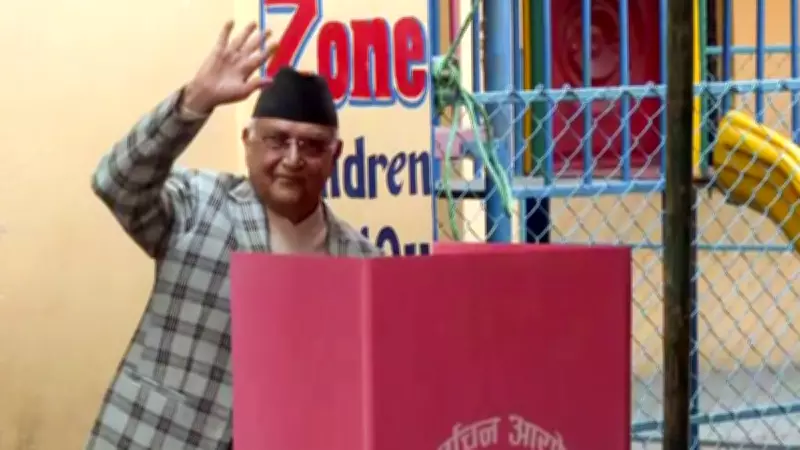
Among the prominent figures in this election are KP Sharma Oli, the leader of the Communist Party of Nepal (Unified Marxist–Leninist), and Sushila Karki, a former Chief Justice and influential political candidate. Their rivalry represents a critical battle for influence within Nepal's political landscape, with potential implications for the country's governance and policy direction.
Additionally, Balendra Shah, a popular figure known for his social media presence and advocacy work, is also a key contender, drawing attention from younger voters. The Nepali Congress, one of the country's major political parties, is actively participating, aiming to secure a strong position in the new government.

Gen Z Protests and Youth Engagement
The election period has been accompanied by widespread Gen Z protests, where young activists have taken to the streets to voice their demands for political reform, transparency, and greater representation. These protests highlight a growing disillusionment with traditional politics and a push for more accountable leadership.
Youth groups have organized rallies and social media campaigns, emphasizing issues such as economic opportunities, education, and environmental sustainability. Their involvement is seen as a pivotal factor that could influence voter turnout and the overall election outcome, reflecting a shift towards more participatory democracy.
Counting Process and Live Updates
As the counting of votes continues, election officials are working diligently to ensure accuracy and transparency. Preliminary results are being released in phases, with updates provided through official channels and media outlets. The process is expected to take several days, given the scale of the election and the need for meticulous verification.
Observers from various organizations are monitoring the counting to prevent any irregularities, while political parties have deployed representatives to oversee the proceedings. The final results will determine the composition of the new government and set the course for Nepal's political future.
Implications for Nepal's Political Future
The outcome of this election is crucial for Nepal's stability and development. Key issues at stake include:
- Economic Policies: Addressing inflation, unemployment, and infrastructure development.
- Foreign Relations: Balancing ties with neighboring countries like India and China.
- Social Reforms: Advancing healthcare, education, and gender equality initiatives.
- Environmental Concerns: Implementing measures to combat climate change and promote sustainability.
Depending on which parties or candidates emerge victorious, Nepal could see shifts in its domestic and international policies, impacting millions of citizens. The involvement of Gen Z protesters adds pressure for progressive changes, potentially leading to more youth-centric governance approaches.
As the counting progresses, all eyes are on Nepal to see how this democratic exercise will shape the nation's trajectory in the coming years. The results will not only reflect the will of the people but also test the resilience of Nepal's political institutions in the face of evolving societal demands.