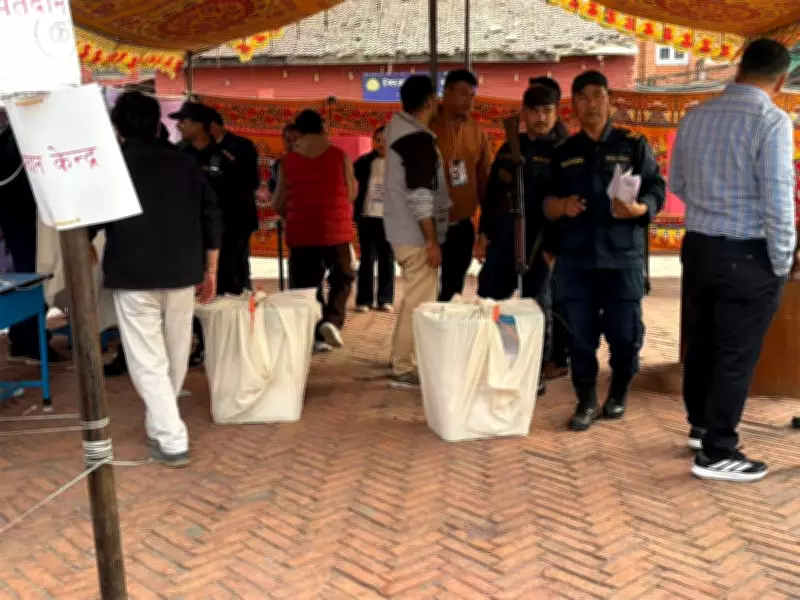
Nepal's General Elections Achieve Approximately 60% Voter Turnout
In a significant display of democratic participation, Nepal's recent general elections saw an estimated voter turnout of around 60%. This figure underscores the active involvement of citizens in shaping the country's political landscape, with millions casting their ballots across various regions.
Election Commission Highlights Key Contributors to Participation
The Election Commission of Nepal has officially credited the successful voter engagement to two primary factors: the cooperation from political parties and the enthusiastic participation of Generation Z voters. According to commission officials, the collaborative efforts of political entities played a crucial role in facilitating a smooth electoral process, from campaigning to polling day logistics.
Political parties across the spectrum demonstrated a commitment to upholding democratic norms, which helped minimize disruptions and encouraged broader public trust in the elections. This cooperation included adherence to electoral codes of conduct, timely submission of candidate lists, and active mobilization of supporters to vote.

Generation Z Emerges as a Influential Voting Bloc
A notable aspect of this election was the significant involvement of Generation Z, comprising young voters aged 18 to 25. This demographic, known for its digital savviness and social awareness, turned out in substantial numbers, contributing to the overall turnout. The Election Commission noted that youth-centric outreach programs and social media campaigns effectively engaged this group, highlighting their growing influence in Nepal's political arena.
The participation of young voters is seen as a positive indicator for the future of democracy in Nepal, as it reflects a shift towards more inclusive and representative governance. Analysts suggest that this trend could lead to policies that better address the aspirations and concerns of younger generations.
Implications for Nepal's Political Future
The 60% voter turnout, while robust, also presents opportunities for further improvement in electoral participation. The Election Commission has emphasized the need for continuous efforts to enhance voter education and accessibility, particularly in remote areas. Key takeaways from this election include:
- The importance of inter-party cooperation in ensuring free and fair elections.
- The rising political clout of Generation Z, which may shape future electoral strategies.
- The role of technology and social media in boosting voter engagement among youth.
Overall, Nepal's general elections have demonstrated a healthy level of democratic engagement, with the Election Commission's acknowledgment of political parties and Gen Z underscoring the collaborative spirit driving the nation's electoral success. As the results are tallied, this turnout sets a precedent for future elections, aiming to foster even greater participation and transparency in the years to come.