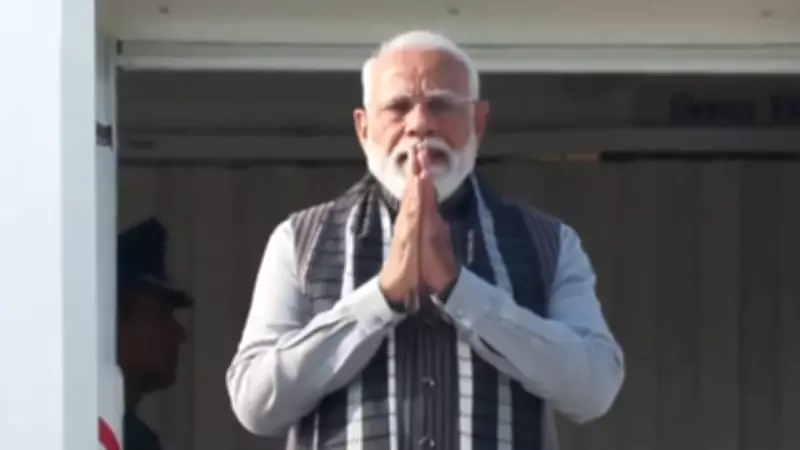
PM Modi's Israel Visit Aims to Consolidate Bilateral Ties and Set Strategic Goals
Prime Minister Narendra Modi expressed optimism on Wednesday that his upcoming two-day visit to Israel will significantly strengthen the bond between the two nations. Ahead of his departure, PM Modi highlighted his anticipation for discussions with Israeli Prime Minister Benjamin Netanyahu, aimed at enhancing cooperation across multiple domains.
Strengthening a Robust Strategic Partnership
"India and Israel share a robust, multifaceted Strategic Partnership that has witnessed remarkable growth and dynamism in recent years," PM Modi stated. He emphasized that his visit is designed to consolidate this bond and establish new objectives for the strategic partnership. Additionally, PM Modi looks forward to engaging with the Indian diaspora in Israel, acknowledging their longstanding role in nurturing India-Israel friendship.
Historical Context and Agenda of the Visit
This marks PM Modi's second visit to Israel, following his historic 2017 trip, which elevated bilateral relations to a strategic partnership. Israeli Prime Minister Benjamin Netanyahu reciprocated with a visit to India in January 2018. During the current visit, PM Modi's itinerary includes:

- Delegation-level talks with PM Netanyahu
- A meeting with Israeli President Isaac Herzog
- An address to the Knesset, Israel's parliament
- A private dinner hosted by Netanyahu
- An innovation event in Jerusalem
- A joint visit to Yad Vashem, the World Holocaust Remembrance Center
Focus on Defense and Security Cooperation
Defense and security are expected to be central themes in the discussions. Israel is a major supplier of military platforms and weapon systems to India. Both nations will review ongoing engagements and explore further collaboration. Notably, India, which is developing the indigenous air defense system 'Sudarshan Chakra,' may consider incorporating elements from Israel's Iron Dome system to enhance its capabilities.
Enhancing Trade, Technology, and Economic Ties
Economic engagement is also a priority. Following Commerce Minister Piyush Goyal's visit to Israel in November, where terms of reference for free trade agreement negotiations were signed, and a bilateral investment agreement concluded in September, leaders are set to review progress in various sectors. These include science and technology, innovation, agriculture, water management, trade, and people-to-people exchanges, as confirmed by the Ministry of External Affairs.
Addressing Regional Tensions and Broader Alliances
The leaders will exchange views on regional and global developments, including the situation in Gaza and broader tensions in West Asia. Ahead of the visit, Netanyahu described it as "historic" and referred to Modi as a "dear friend." He also outlined a vision for a "hexagon" of alliances involving India, Arab nations, African countries, and Mediterranean states. This initiative aims to strengthen coordination among like-minded countries and counter radical axes in the region, highlighting the strategic importance of the partnership.