Russia and Iran Finalize Major Air-Defense Agreement Worth $589 Million
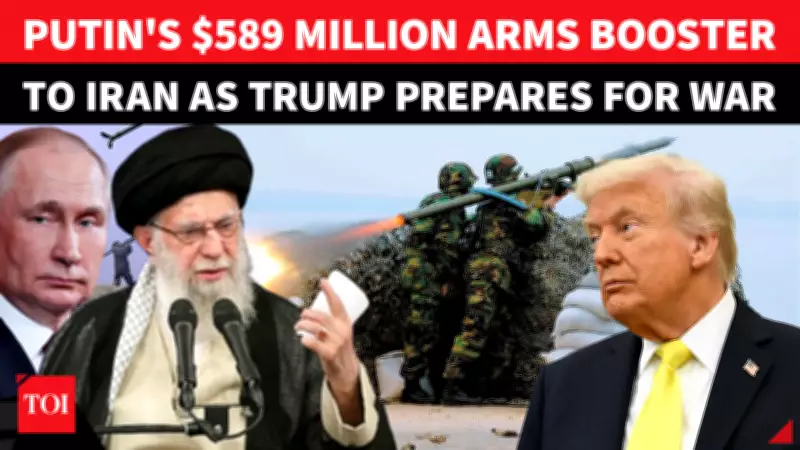
In a significant development that underscores the shifting geopolitical landscape, Russia and Iran have solidified a substantial military partnership. The two nations have entered into a comprehensive arms agreement valued at $589 million, as reported by the Financial Times. This deal comes at a time of escalating tensions between these countries and the United States in the volatile Middle East region.
Details of the Strategic Missile Acquisition
The agreement centers on Iran's procurement of advanced Russian air-defense technology. Specifically, Tehran will acquire 500 Verba man-portable air-defense launchers along with 2,500 accompanying 9M336 missiles. This acquisition is scheduled to unfold over a three-year period, with deliveries anticipated to occur between 2027 and 2029. However, intelligence suggests that some initial systems may have already been transferred, indicating an accelerated implementation timeline.
The Verba system represents one of Russia's most sophisticated military exports. This shoulder-fired, infrared-guided weapon is engineered to effectively target and neutralize a range of aerial threats. Its capabilities include engaging cruise missiles, low-altitude aircraft, and unmanned drones, making it a versatile asset for air-defense operations.

Broader Implications for Regional Security Dynamics
This arms deal is not merely a transactional exchange but a strategic move with far-reaching consequences. It signals a deepening of military cooperation between Moscow and Tehran, potentially altering the balance of power in the Middle East. The timing is particularly noteworthy, as it coincides with increased U.S. military presence and activities in the area, raising concerns about a potential arms race or heightened confrontations.
The collaboration between Russia and Iran could have significant ramifications for regional stability. By enhancing Iran's air-defense capabilities, the deal may embolden Tehran's stance in international disputes and complicate U.S. strategic calculations. Furthermore, it underscores Russia's ongoing efforts to expand its influence in the Middle East through military and diplomatic channels.
Context of Global Geopolitical Tensions
This development occurs against a backdrop of persistent global conflicts and diplomatic strains. Recent headlines have highlighted various international crises, including emergency declarations in New York City, naval deployments in the Arctic, and ongoing hostilities in Ukraine. The Russia-Iran missile pact adds another layer of complexity to an already turbulent global security environment.
Observers note that such agreements often serve multiple purposes beyond mere arms sales. They can strengthen bilateral ties, provide economic benefits to the exporting nation, and project power in contested regions. In this case, the deal may be seen as a response to perceived U.S. threats and a means for both Russia and Iran to assert their autonomy on the world stage.
As the situation evolves, the international community will closely monitor the implementation of this agreement and its impact on Middle Eastern geopolitics. The potential for increased militarization and the risk of miscalculations remain pressing concerns for global peace and security.