Russia Commits to Countering US-Israel Military Moves Against Iran
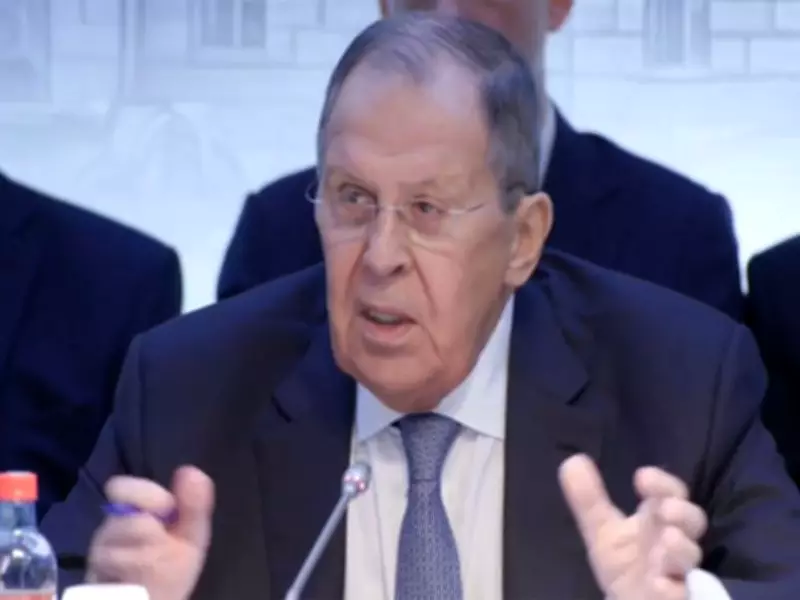
In a significant geopolitical statement, Russian Foreign Minister Sergey Lavrov has asserted that Moscow will employ every available resource to render any potential military operations by the United States or Israel against Iran impossible. This declaration underscores the deepening alliances and confrontations shaping Middle Eastern dynamics, with Russia positioning itself as a key defender of Iranian sovereignty amid ongoing regional instability.
Lavrov's Firm Stance on Iranian Security
During a recent diplomatic briefing, Lavrov emphasized Russia's unwavering commitment to ensuring Iran's security against external threats. He highlighted that Moscow views any aggression toward Iran as a direct challenge to regional stability and international law. "We will do everything in our power to make such operations impossible," Lavrov stated, referring to speculated US or Israeli strikes. This stance aligns with Russia's broader strategy of countering Western influence in the Middle East, particularly as tensions over Iran's nuclear program and regional activities persist.
Implications for Global Diplomacy and Security
Lavrov's remarks are likely to escalate diplomatic friction between Russia and Western nations, especially the United States and its allies. Analysts suggest this could complicate efforts to negotiate peace or de-escalation in conflicts involving Iran, such as in Syria or Yemen. The statement also raises questions about potential military collaborations or deterrent measures Russia might deploy, including enhanced defense systems or diplomatic blockades in international forums like the United Nations.

- Russia's pledge reinforces its alliance with Iran, which has grown through economic and military cooperation in recent years.
- The US and Israel have historically considered military options against Iran due to concerns over nuclear proliferation and proxy warfare.
- This development may influence upcoming diplomatic talks and security assessments in the region.
As global powers navigate these complex relationships, Lavrov's declaration signals a hardening of positions that could impact not only Middle Eastern geopolitics but also broader international security frameworks. Observers are closely monitoring how this will affect ongoing negotiations and potential conflict scenarios in the volatile region.