Russian Oil Tanker Sets Sail for Cuba, Defying U.S. Sanctions
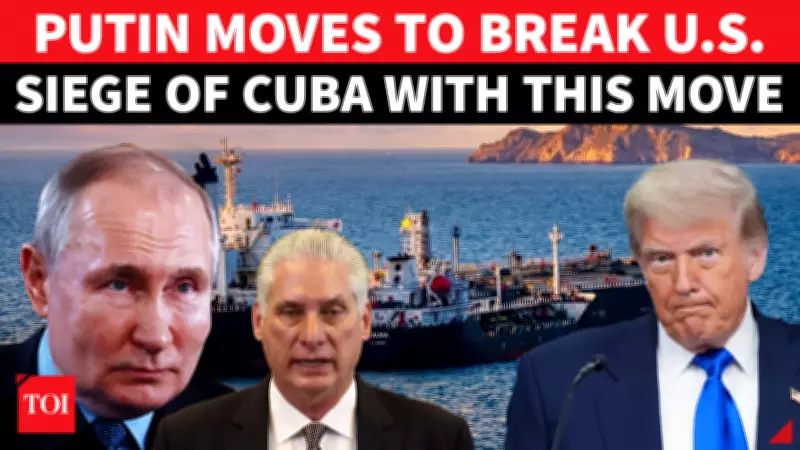
A Russian oil tanker named 'Sea Horse' is currently navigating toward Cuba, carrying a critical shipment of fuel intended to alleviate the island nation's deepening energy crisis. This move represents a direct challenge to the stringent sanctions regime imposed by former U.S. President Donald Trump, testing the enforcement capabilities of American authorities in international waters.
Details of the Shipment and Its Significance
According to a detailed report from Bloomberg, the vessel is transporting approximately 200,000 barrels of gasoil, a refined petroleum product essential for power generation and transportation infrastructure. This delivery is particularly vital for Cuba, which has been grappling with severe fuel shortages that have disrupted daily life and economic activities. The shipment underscores Russia's strategic efforts to bolster its geopolitical influence in the Caribbean region, leveraging energy resources as a tool of foreign policy.
U.S. Enforcement and Sanctions Pressure
The United States has intensified its enforcement of sanctions targeting Russian oil exports, successfully intercepting several shipments bound for Cuba in recent months. These actions are part of a broader strategy to tighten economic pressure on Havana, aiming to curb its reliance on Russian support. However, the ongoing voyage of the 'Sea Horse' highlights the persistent challenges in fully curbing such trade, as vessels navigate complex maritime routes to evade detection.

Political Reaffirmation from Moscow
In a parallel development, Russian President Vladimir Putin has publicly reaffirmed Moscow's unwavering support for Cuba during high-level talks with Cuban officials. Putin condemned the U.S. sanctions as unjust and punitive, emphasizing Russia's commitment to assisting its ally amidst the energy crisis. This diplomatic stance reinforces the deepening ties between Russia and Cuba, positioning the two nations against what they perceive as American overreach in international affairs.
Broader Implications and Regional Tensions
The incident occurs against a backdrop of heightened global tensions, with Trump issuing threats related to international trade and security. The movement of Russian oil to Cuba not only tests the efficacy of U.S. sanctions but also raises questions about the future of energy diplomacy in the Western Hemisphere. Analysts suggest that such actions could prompt further retaliatory measures from the U.S., potentially escalating conflicts over energy resources and geopolitical alignments.
Key Points:
- The 'Sea Horse' tanker is carrying 200,000 barrels of gasoil to Cuba.
- U.S. sanctions enforcement has intercepted previous shipments, but challenges remain.
- Putin's reaffirmation of support strengthens Russia-Cuba relations amid the crisis.
- This event tests the limits of American sanctions under Trump's policies.
As the situation unfolds, the international community watches closely, assessing the impacts on regional stability and the ongoing energy war that spans continents. The outcome of this shipment could set precedents for future sanctions enforcement and diplomatic maneuvers in an increasingly polarized world.