Trump Asserts He Prevented Pakistan PM's Death in India-Pakistan Crisis
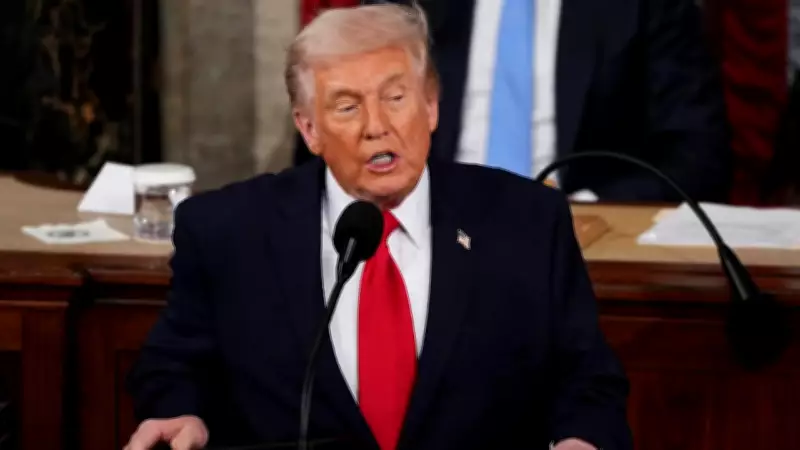
During his recent State of the Union address, US President Donald Trump made a striking claim regarding military tensions between nuclear-armed neighbors India and Pakistan in May 2025. The president stated, "Pakistan and India would have had a nuclear war. 35 million people said the Prime Minister of Pakistan would have died if it were not for my involvement..." This remark appeared to be a potential misspeak as he described his role in preventing a wider regional conflict.
Trump's Narrative of Personal Diplomacy
President Trump has repeatedly credited himself with bringing India and Pakistan to the negotiating table and averting a larger military confrontation. In his address, he elaborated on this self-proclaimed achievement, citing what he described as praise from Pakistan Prime Minister Shehbaz Sharif. Trump suggested that his involvement had saved "35 million" people and portrayed himself as central to de-escalating the dangerous tensions between the two South Asian nations.
The US president further bolstered his foreign policy credentials by claiming, "In my first 10 months, I ended eight wars..." positioning his administration as uniquely successful in conflict resolution on the global stage.

India's Firm Rejection of Third-Party Claims
However, India has firmly rejected any assertion of third-party mediation in easing tensions during what it refers to as Operation Sindoor. This military action was launched in retaliation for the Pakistan-sponsored Pahalgam terror attack and specifically targeted cross-border terrorism infrastructure.
Indian officials have consistently maintained that the de-escalation was managed through bilateral channels and diplomatic efforts between the two nations directly involved, without external intervention playing a significant role in the resolution process.
Uncertainty Surrounding Trump's Statements
It remains unclear whether Trump's specific claim about the Pakistan Prime Minister's potential death reflects his intended message or represents a verbal misstatement during the high-profile address. The president continued to describe his role in preventing broader conflict without clarifying this particular assertion further.
The incident highlights ongoing tensions in South Asia and differing narratives about international diplomacy's role in regional conflicts. While Trump portrays himself as an indispensable mediator in global crises, nations directly involved often emphasize their sovereignty and bilateral resolution mechanisms.